


Welcome to the positive corner of the internet. We’re here to make your life healthier, happier, and less stressful. At the bottom of each email, we explain our editorial process, stance on AI, and partnership standards.
If you were forwarded this message, you can get the free daily email here.
Today’s Health Upgrade
Arnold’s Corner: Monday motivation
Does creatine really boost brain health?
How a different style of planning can increase productivity
Workout of the week
Arnold’s Corner
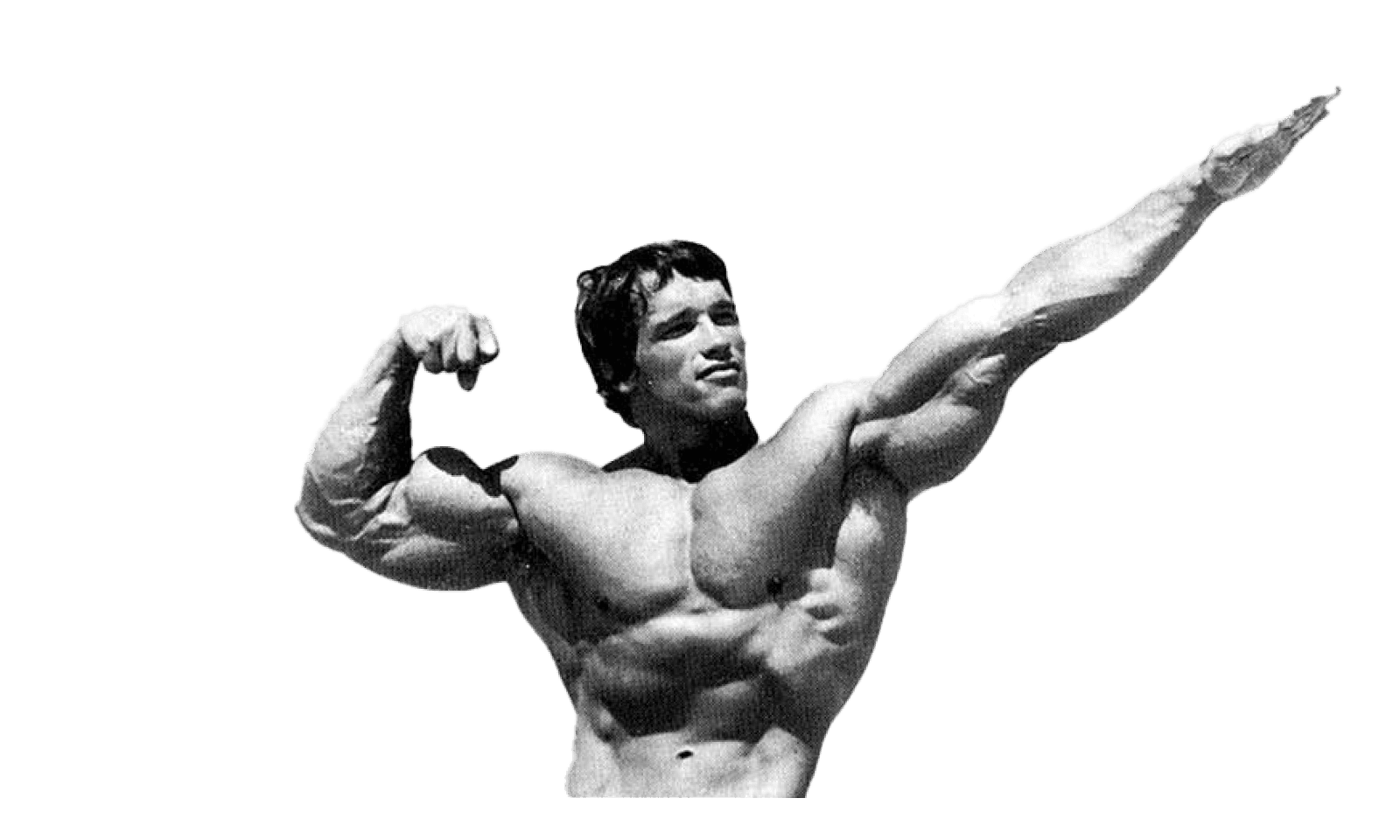
Monday Motivation: Don’t Do This Alone
I’ve been saying “movement is life” for decades. I believe it with everything I have.
But this weekend at the Arnold Sports Festival, I was reminded of something just as true: being there for each other is life.
We just had the most successful Arnold Sports Festival in history. Saturday sold out completely. The first time we couldn’t sell a ticket at the door ever. The Fire Marshal had to step in to manage the crowds. Hundreds of thousands of people, all pouring into Columbus, Ohio, united by one thing: movement.
Weightlifters. Strongmen. Bodybuilders. Gymnasts. Ballroom dancers. Every community you can imagine, all under one roof, all cheering for each other. All moving together. And everywhere I looked, I saw something that moved me even more than any lift I witnessed.
I saw joy.
Not the kind of joy that comes from winning. The kind that comes from belonging.
Here’s something that doesn’t get talked about enough: we are in a loneliness crisis. The U.S. Surgeon General has declared it a public health epidemic, and research shows that loneliness poses health risks as deadly as smoking 15 cigarettes a day. Read that again. Fifteen cigarettes a day. One in three Americans feels lonely every single week. Ten percent feel lonely every single day.
Thirty percent of Americans aged 18-34, who probably feel connected by how much they are on their phones together, report feeling lonely every day or several times a week. We have more ways to talk to each other than ever before. We are more alone than ever before.
Among people experiencing loneliness, 75% report having little or no sense of meaning or purpose in their lives.
That hit me hard when I read it. Because meaning and purpose, those aren’t abstract things. They come from having people who need you. People who are waiting for you.
People who cheer when you show up.
This isn’t just an emotional problem.
The World Health Organization estimates that loneliness is linked to more than 871,000 deaths every year, roughly 100 people every single hour. It increases the risk of premature death by nearly 30 percent, and raises the risk of stroke, heart disease, anxiety, and dementia.
We talk constantly about what kills us: the wrong diet, the wrong training, not enough sleep. And all of that matters. But we are sleeping on this one. Loneliness is killing people at a rate we cannot afford to ignore.
I saw the antidote to all of that this weekend.
At the Pump Clubhouse, I watched our members lift each other up, and not just metaphorically. They were literally there, in the same room, pushing each other through PRs.
Some of these people had never deadlifted before in their lives. Their first rep was a PR. Others pulled 680 pounds. But the cheer in the room? It was the same. The joy on their faces wasn’t coming from the bar. It was coming from each other.
That’s when I knew: the best thing we do at the Pump Club isn’t the workouts. It isn’t the nutrition plans. It’s this. People finding each other. People having a reason to show up. People feeling supported.
People who weren’t alone anymore.
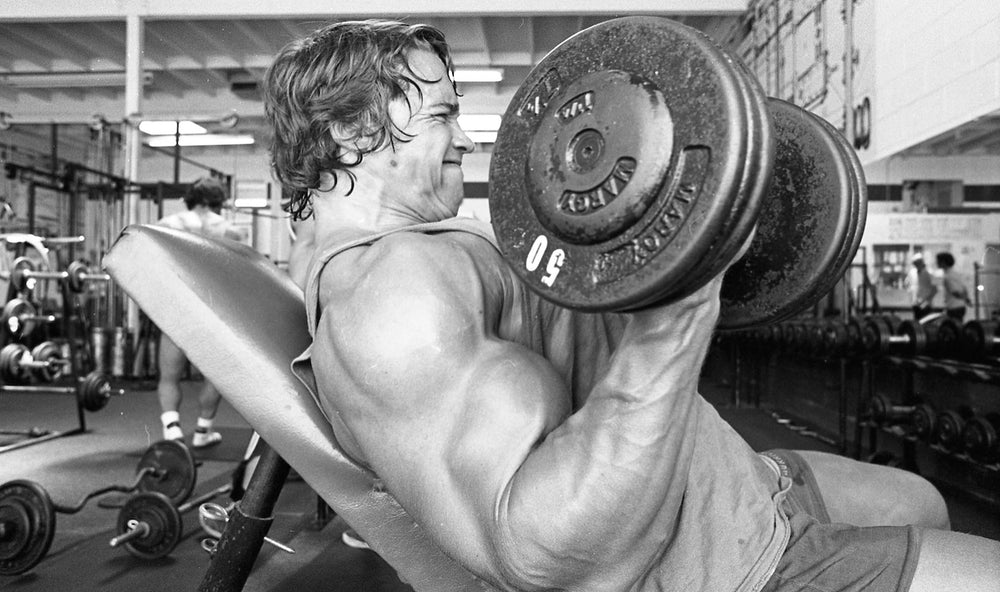
It reminded me of Gold’s Gym in the 70s. Me and Franco. Dave Draper. All the guys. We weren’t just training partners; we were a reason for each other to exist. We pushed each other to be better. We showed up for each other on the days we didn’t want to. That’s what made us great. Not the weights. Not the volume. Each other.
What I had with Franco…I want that for every single person reading this.
The Arnold Sports Festival is three days long.
For three days, hundreds of thousands of people had that connection. Three days of community. Three days of shared purpose. Three days of terminating loneliness.
Every sport, every discipline, every community, all showing up, all cheering, all moving together. That is what this event has always been about. Not trophies. Not records. People coming together around something that makes them better.
And then Monday comes. The festival ends. People go home.
That’s why I’m writing this today.
Because the community doesn’t have to end when the weekend does. The research is clear: the solution that lonely people themselves endorse most is the simplest one available: taking time each day to reach out to a friend or family member. Nothing fancy or difficult. Just another person who sees you.
Movement is life. But moving with other people, that is a different kind of life entirely.
This week, I want you to do one thing: don’t train alone. Don’t eat alone if you don’t have to. Reach out to someone who needs a push. Be the person in the gym who cheers for a stranger.
Be someone’s Franco.
The world is too lonely right now for any of us to keep moving through it by ourselves.
Don’t do this alone.
Health
Does Creatine Really Boost Your Brain?
Creatine has a well-earned reputation for supporting muscle growth and strength. So when research started suggesting it could sharpen your thinking, too, it seemed like a win-win. A scoop or two per day, with multiple benefits. But a new review of the evidence tells a more specific story.
Creatine has cognitive benefits, but your lifestyle, age, and diet will determine how much of a difference you notice and feel.
Researchers from nine institutions reviewed decades of creatine studies to paint a clearer picture of the relationships between creatine and its influence on your mind.
The scientists found that supplementing with creatine can increase brain creatine levels by more than 10 percent, but this typically requires higher doses (10 to 20 grams daily) for at least four weeks. That’s a meaningful boost, but to put it into context, getting 3 to 5 grams of creatine per day can increase creatine in your muscles by up to 20 percent.
The cognitive benefits were most consistent among people whose brains were under metabolic stress, specifically those with poor sleep, vegetarians (who get less creatine from food), and adults over 60.
Studies do suggest that even after a night or two of poor sleep, creatine might help keep you mentally sharp. But that’s more of a “break glass in case of emergency” type of situation. And early research suggests potential for creatine to help fight depression, Alzheimer’s, and traumatic brain injury. However, there’s not enough evidence to suggest it can be a standalone treatment or solution.
For healthy young adults with good sleep habits and a varied diet, the evidence for cognitive improvement wasn’t as strong.
The researchers believe this comes down to how the brain uses creatine. When your brain is stressed or depleted, extra creatine helps restore energy. When it's already running well, there's less room for improvement.
If you supplement with creatine, be sure to stick with creatine monohydrate. Lots of new creatine variations claim to offer more benefits. But only creatine monohydrate has the research and results to back up those claims.
And then, be sure to use a creatine that is third-party verified. In an analysis of 175 creatine brands, 88% used a form of creatine with limited or no evidence of effectiveness or safety. That’s why we recommend Momentous Creatine, which sticks with the creatine that works, the dose that is effective, and the certifications that give you peace of mind.
As an APC reader, save 35% off your first subscription order or 14% off any non-subscription purchase with the code “PUMPCLUB.”
If you're taking creatine for muscle and strength, you might notice cognitive benefits during demanding periods, such as travel, poor sleep, or intense mental work. If you're a vegetarian or over 60, the brain support may be more consistent.
But if you're young, well-rested, and have a good diet, you probably won’t feel the same mental boost from creatine. That's not a strike against the supplement; it's just being honest about what it can and can't do.
Start Your Week Right
Why Your Monday Planning Session Might Be Working Against You
Monday feels like a fresh start. So many of us do what it seems a motivated person would do: open a notebook, a notes app, or a planner, and try to schedule everything that needs to get done. By the time you're done, the week looks impressive. And somehow, someway, it usually falls apart.
Here's the uncomfortable truth: sometimes, your week doesn't fail because you didn't plan enough. It could fall short of our goals because you planned too much or too vaguely.
Habit-formation research reveals something counterintuitive about getting things done: success depends less on motivation and more on making the right action easy to repeat.
Scientists followed individuals as they tried to build new habits. They found that simpler behaviors (like drinking a glass of water with lunch) became automatic much faster than complex ones. Some complex behaviors never became habits at all during the 84-day study.
The key factor wasn't willpower. It was repeating a simple action in the same context, over and over again. In other words: Your brain doesn't need a better plan. It needs an easier first move.
Here's where ambitious Monday planning can backfire. Long lists create a gap between your "ideal week" and real life, which often includes emails, meetings, kids, bad sleep, and unexpected stress.
Research on the "planning fallacy" shows that people consistently underestimate how long tasks take and overestimate how much they can accomplish. The wider the gap between plan and reality, the more friction you create. And friction kills follow-through.
Here’s why less planning works: Research on decision fatigue suggests that making many choices depletes your mental energy. The more decisions you make, the harder each subsequent one becomes. A shorter list of priorities means fewer decisions about what to do next.
But here's the real key: Across dozens of studies, people who made specific plans were far more likely to follow through than those who simply intended to complete a task.
The most effective planning isn't minimal; it's specific about the start. Instead of mapping out your entire week, try this:
Choose your top priorities: Focus on few enough that you can hold them all in mind without a list. (Research on working memory suggests most people can actively juggle, at most, four things at once.)
For your most important task, decide exactly when and how you'll start. Not "I'll work on the presentation Monday," but "At 9 a.m. Monday, I'll open PowerPoint and write the title slide." Specificity is the unlock.
Make the first action small enough that it feels easy. Research suggests that simpler behaviors are more likely to stick. You can always do more once you've started.
Your Monday doesn't need a perfect plan. It needs a clear starting point and permission to figure out the rest as you go.
Fitness
Workout Of The Week
At the Arnold Sports Festival, we met many new people who shared their struggles with getting started or feeling intimidated by the gym.
If you’ve fallen off the wagon, haven’t gone to the gym as much as you wanted, or wanted to push yourself in the comfort of your own home, this workout is for you. It requires no equipment whatsoever and will give you a taste of how you can challenge your body much more than you think, without needing a weight.
How To Do It
Perform each exercise in a superset back-to-back, with as little rest as possible. Then, rest for 2 minutes. Once you complete all sets in a superset, then move to the next exercise pair.
Superset #1
1A) Bodyweight squat: 2 sets x 5-10 reps
1B) Bodyweight hamstring walkout: 2 sets x 5-10 reps
Rest 2 minutes
Superset #2
2A) Pushup: 3 sets x 10-20 reps
2B) Superman pullup: 3 sets x 10-20 reps
Rest 2 minutes
Superset #3
3A) Bodyweight Split Squat: 3 sets x 8-12 reps per leg
3B) Single Leg Hip Thrust: 3 sets x 10-15 reps
Rest 2 minutes
Superset #4
2A) Plank: 2 sets x 20 seconds
2B) Double crunch: 2 sets x 8-15 reps
Give it a try, and start your week strong!
Editor’s Note: We’ll never stop giving you a free Workout of the Week. Because we believe everyone should have access to exercise.
But there’s a difference between a workout and a program.
A “Workout of the day” feels great — you sweat, you’re sore — but soreness isn’t the goal. Exhaustion doesn’t make you better. Your body adapts best when workouts build on each other with intention, not when every session stands alone.
This workout will challenge you today, but a program is what changes you over weeks, months, and years. If you need help, you can try our customized programs free for 7 days. We do the thinking, giving you access to the best coaches, and provide accountability, so you see the improvements.
Better Today
Take any of these tips from today’s email and put them into action:
1. Arnold Schwarzenegger on the Health Crisis No One in Fitness Is Talking About
The U.S. Surgeon General has declared loneliness a public health epidemic, with research showing it poses health risks equivalent to smoking 15 cigarettes daily. The World Health Organization estimates it contributes to more than 871,000 deaths per year, raising the risk of premature death by nearly 30% while elevating risk for stroke, heart disease, anxiety, and dementia. One in three Americans feels lonely every week; 30% of adults aged 18–34 report feeling lonely every day or several times a week; and among those experiencing chronic loneliness, 75% report little or no sense of meaning or purpose. Arnold watched the antidote play out at the most-attended Arnold Sports Festival in history: community built around shared movement isn't just motivating, it's the intervention the data keeps pointing to as a social to help create more meaningful connections.
2. Creatine Can Increase Brain Energy by More Than 10%. Here's Who Actually Benefits.
A review by researchers from nine institutions found that creatine can increase brain creatine levels by more than 10%, but only at doses of 10 to 20 grams daily for at least four weeks — a significantly higher threshold than the 3 to 5 grams that drives up to 20% increases in muscle creatine. Cognitive benefits were most consistent in people under metabolic brain stress: those with poor sleep, vegetarians with lower dietary creatine intake, and adults over 60, while evidence for cognitive improvement in healthy young adults with adequate sleep and a varied diet remained comparatively weak. If you're taking creatine for muscle and strength, the mental edge is most likely to show up during high-demand periods — travel, sleep deprivation, or intense cognitive work, but not not as a baseline effect.
3. The Planning Fallacy That Kills Your Productivity. Here's What the Research Says to Do Instead
A habit formation study found that simpler behaviors became automatic significantly faster than complex ones, and some complex behaviors never became habits at all during the study period. Research on the planning fallacy shows that people consistently overestimate weekly capacity and underestimate how long tasks take, widening the gap between ambitious plans and actual execution. The fix isn't a better plan: it's a shorter priority list, one specific starting action, and permission to figure out the rest as you go.
The Positive Corner of The Internet
About Arnold’s Pump Club Editorial Standards
We do things a bit differently here, starting with transparency.
The Content: All APC emails are researched, written, and fact-checked by the APC editors (see bottom of the email), with written contributions from Arnold (noted with “Arnold’s Corner”). Links take you to original studies (not second-hand sources).
Does AI play a role? Not for the primary content, but it is used in two ways. The main items are original content written by the APC team. The summaries at the end are AI-generated based on the human-written content above. We also use an AI tool to review our interpretations of the research and ensure scientific accuracy. We don’t assume AI is right, but we use technology to hold ourselves accountable.
Yes, we have partners (all clearly noted). Why? Because it allows us to keep the APC emails free. We first test products, and then reach out to potential partners who offer ways to help you improve every day. The bar is set high, and to date, we have turned down millions in ad deals. (Example: we will not partner with any non-certified supplements or those without evidence in human trials). If we won’t buy the product, we won’t recommend it to you. And if there’s no evidence it works, then there’s no place for it here.
—
Publisher: Arnold Schwarzenegger
Editors-in-chief: Adam Bornstein and Daniel Ketchell