


Your Fitness Tracker Is Overcounting The Calorie Burn Of Your Workout
Only about 72% of the calories you burn exercising add to your daily total of calories burned. Here's how to step away from the calculus and step towards less frustration and more results.
Welcome to the positive corner of the internet. We’re here to make your life healthier, happier, and less stressful. At the bottom of each email, we explain our editorial process, stance on AI, and partnership standards.
If you were forwarded this message, you can get the free daily email here.
Today’s Health Upgrade
Village meetup (with a special guest appearance)
What is a cancer vaccine? (And what does it do?)
Coffee is linked to longevity, if you drink it this way
Why all probiotics are not equal
How to make fat loss work for your body
Community
Pump Club LA Meetup (With A Special Guest)
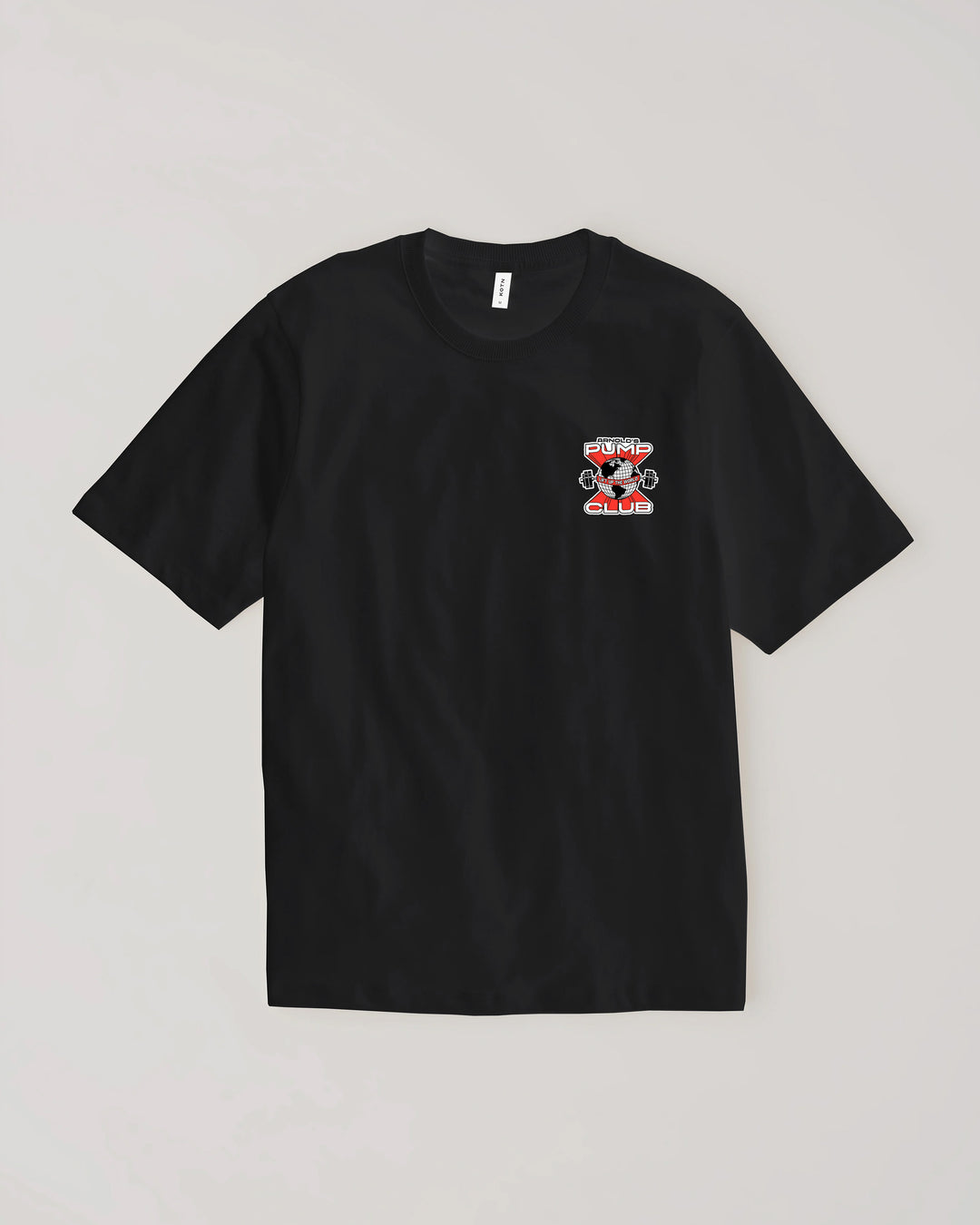
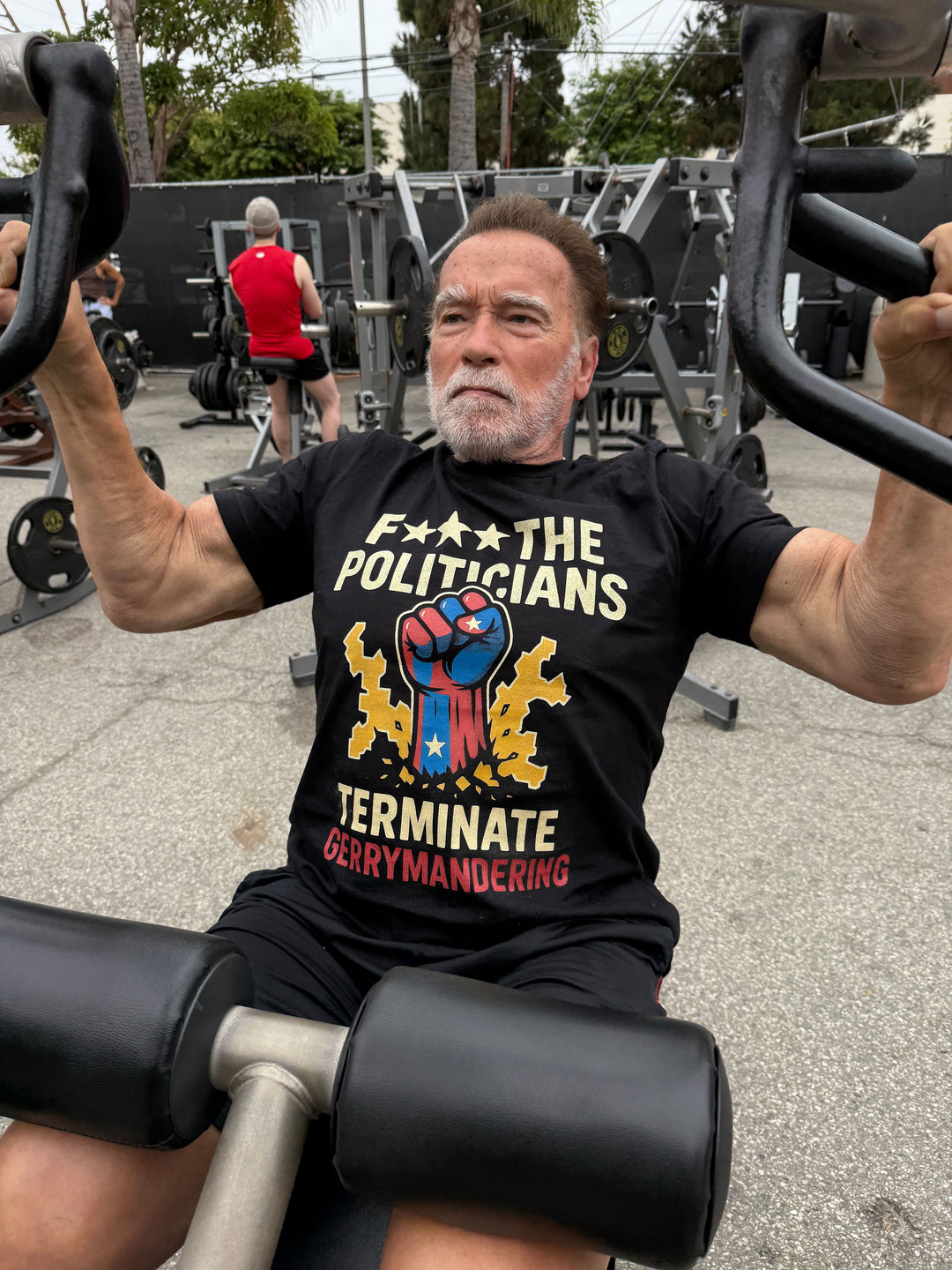
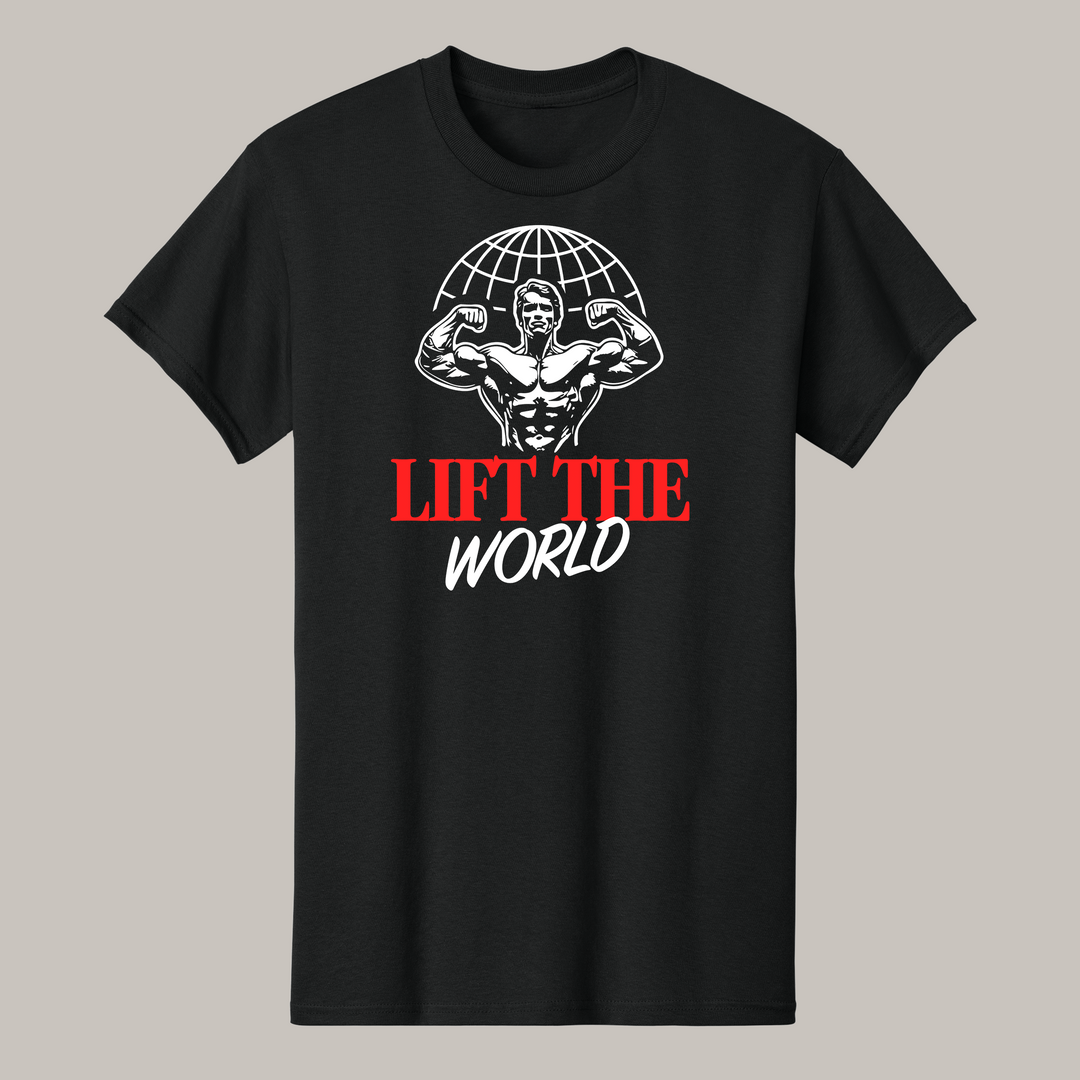
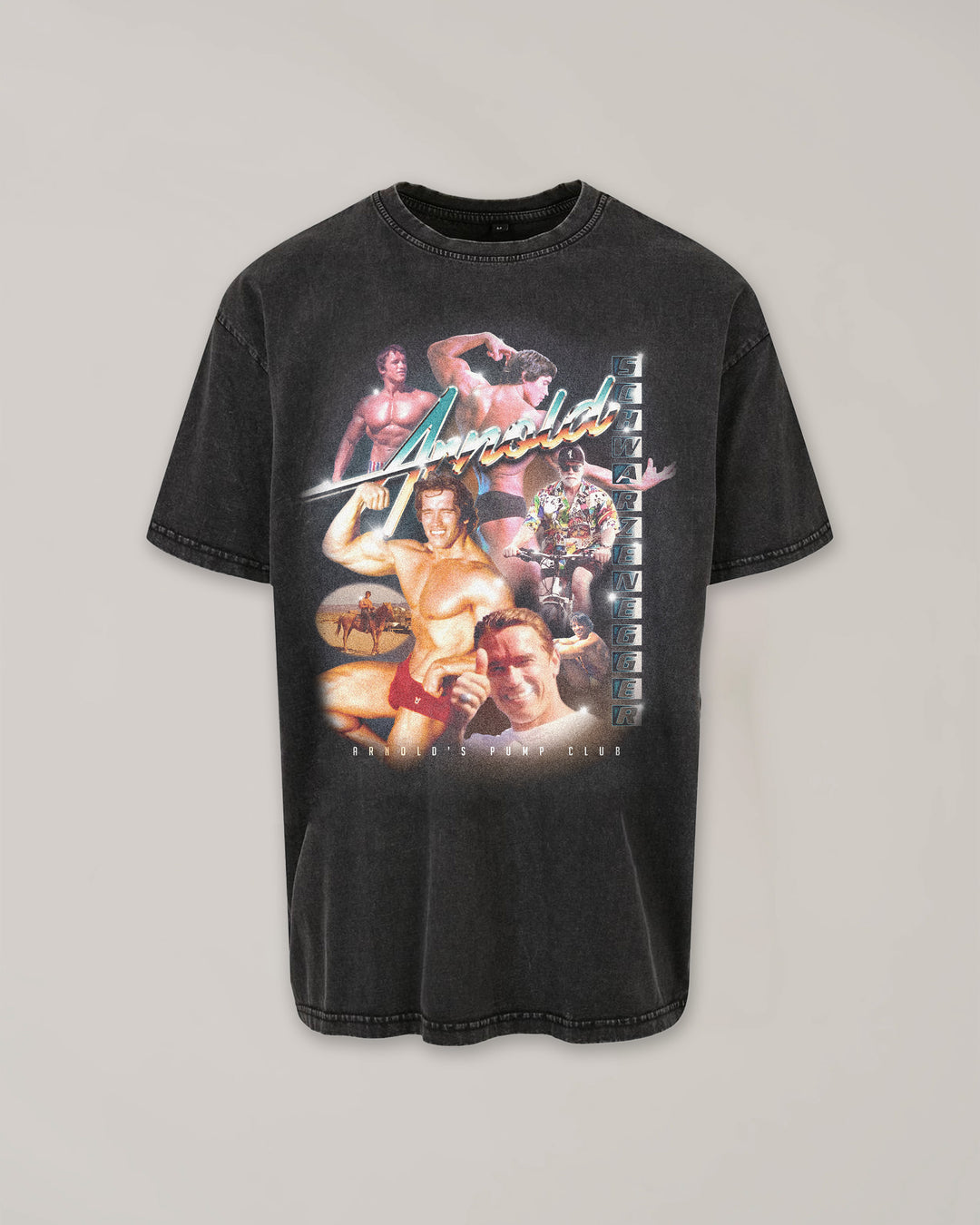
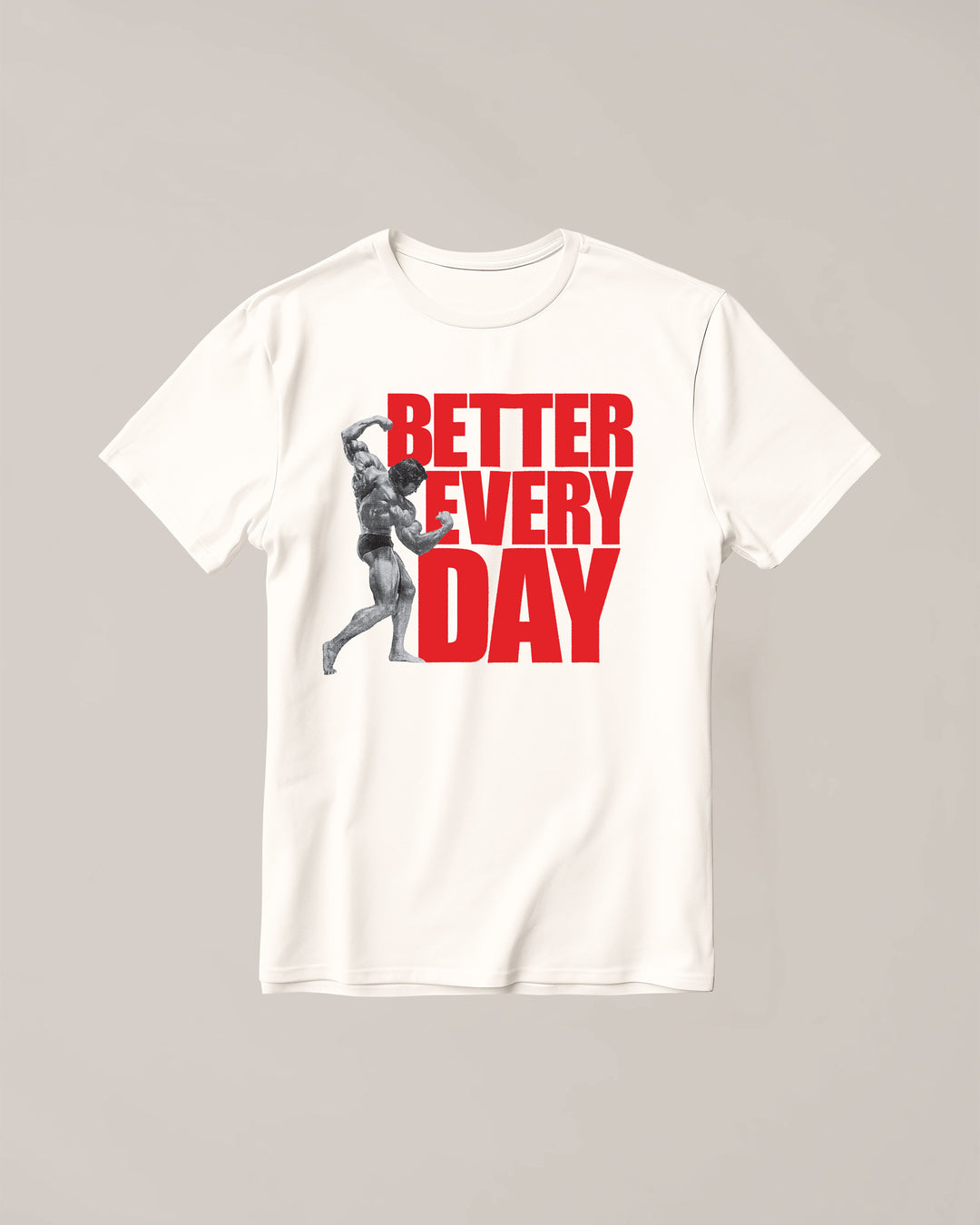
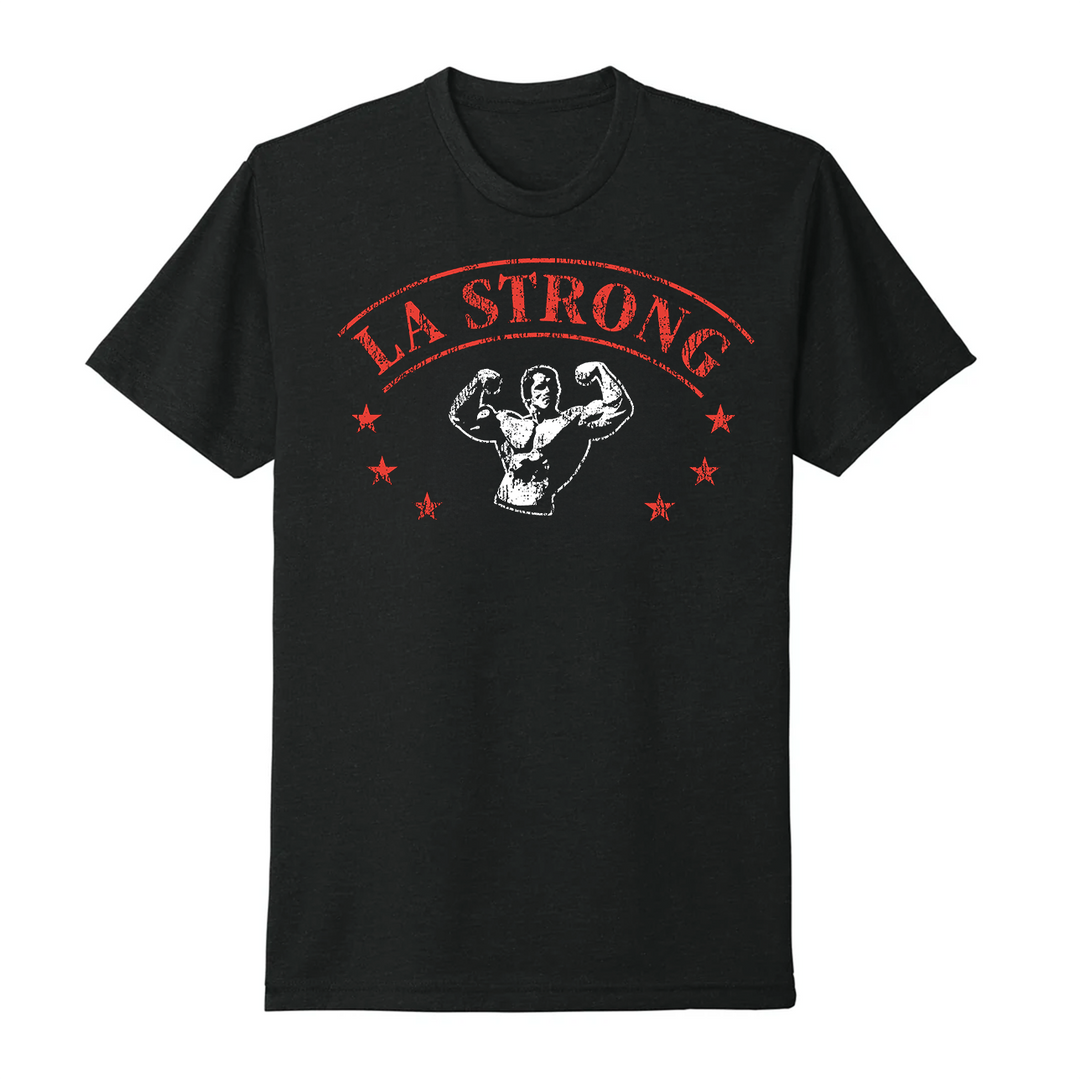
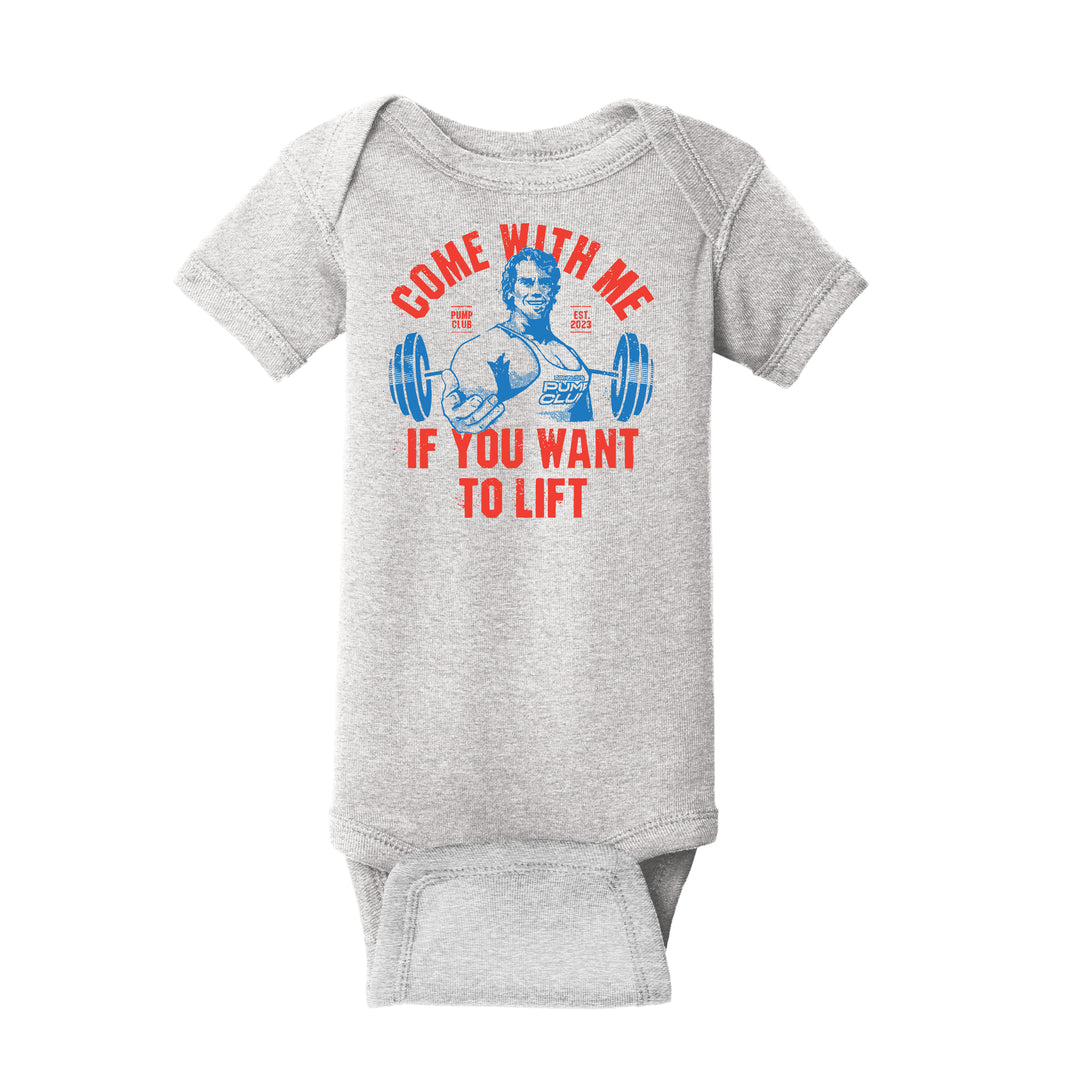
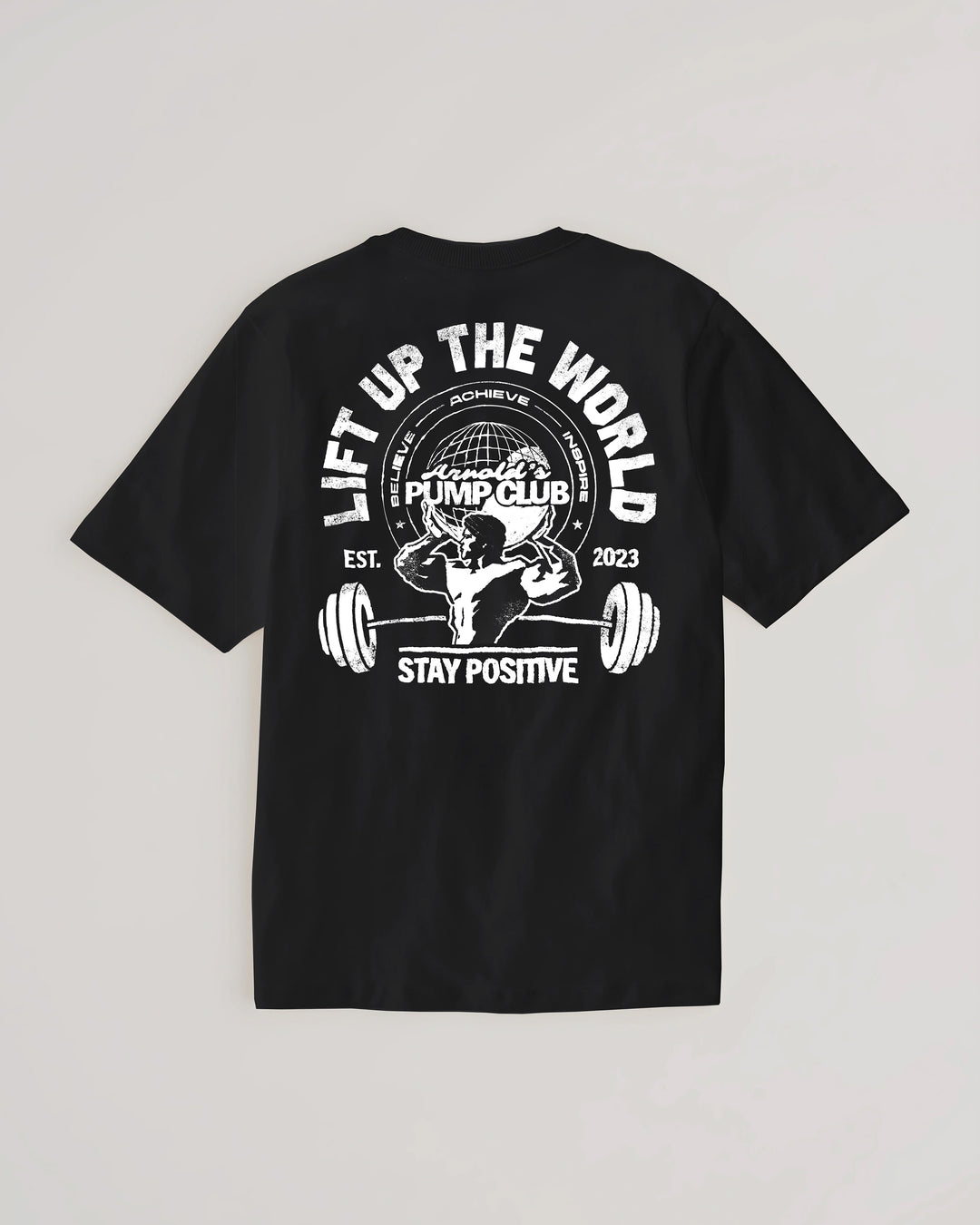
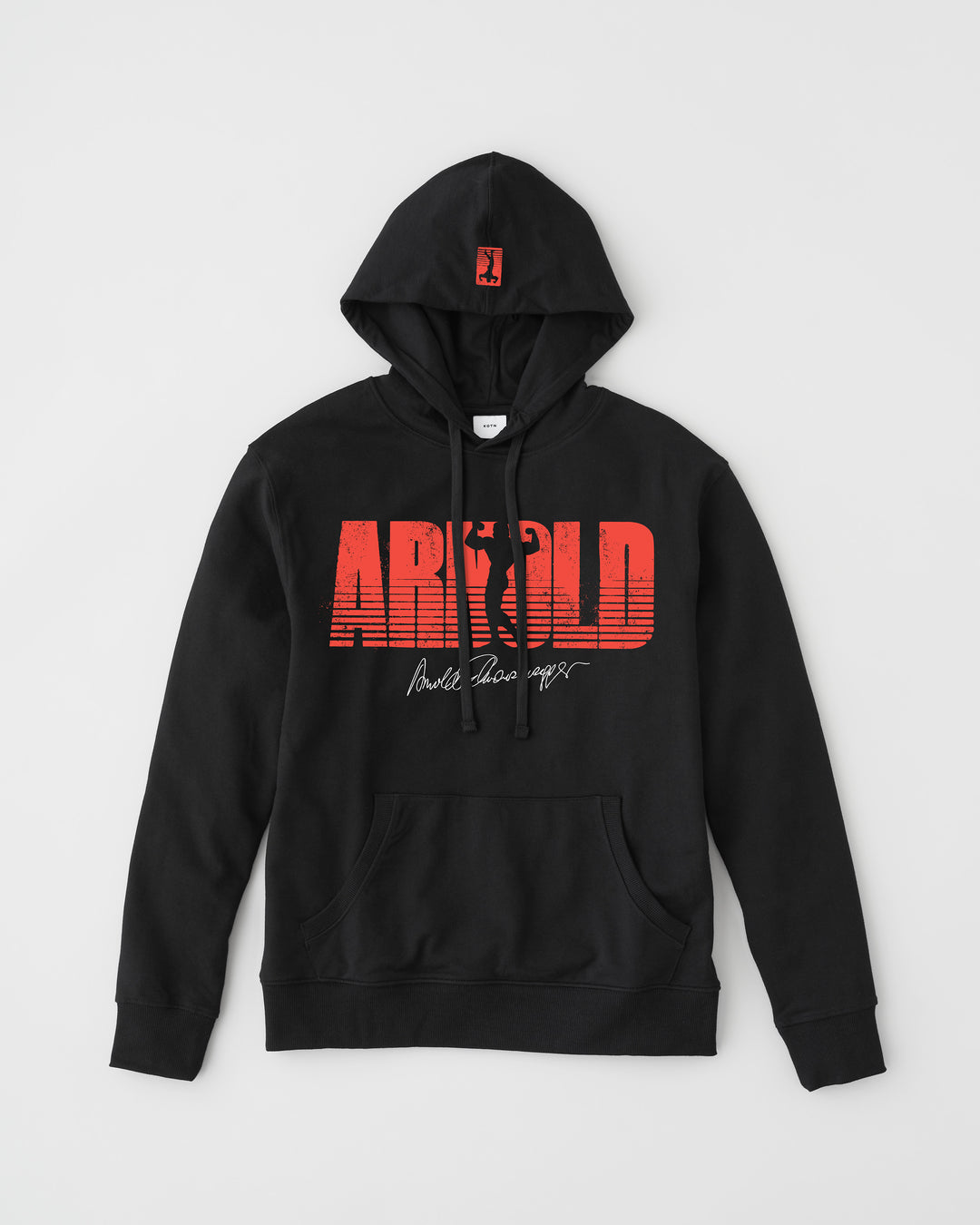
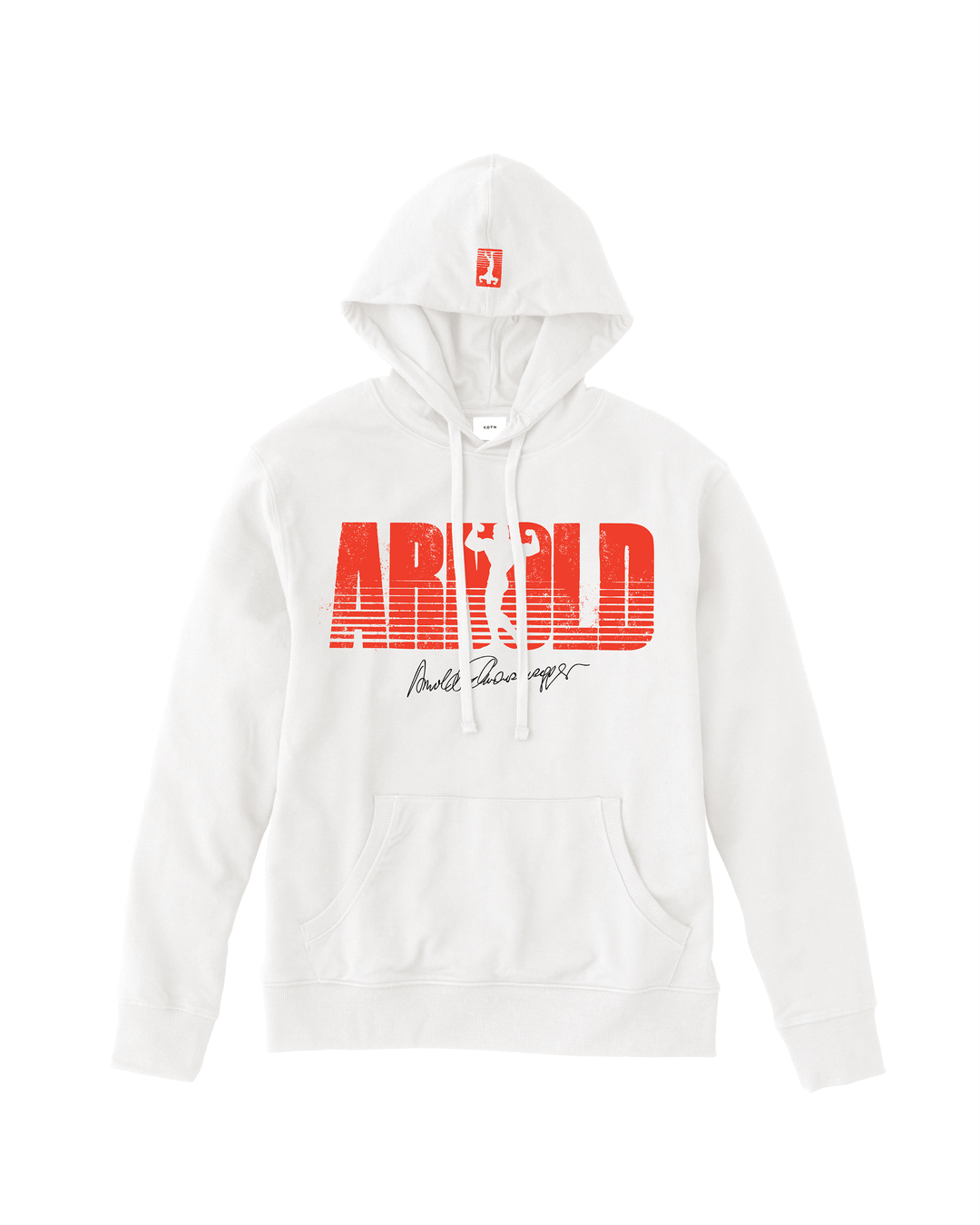
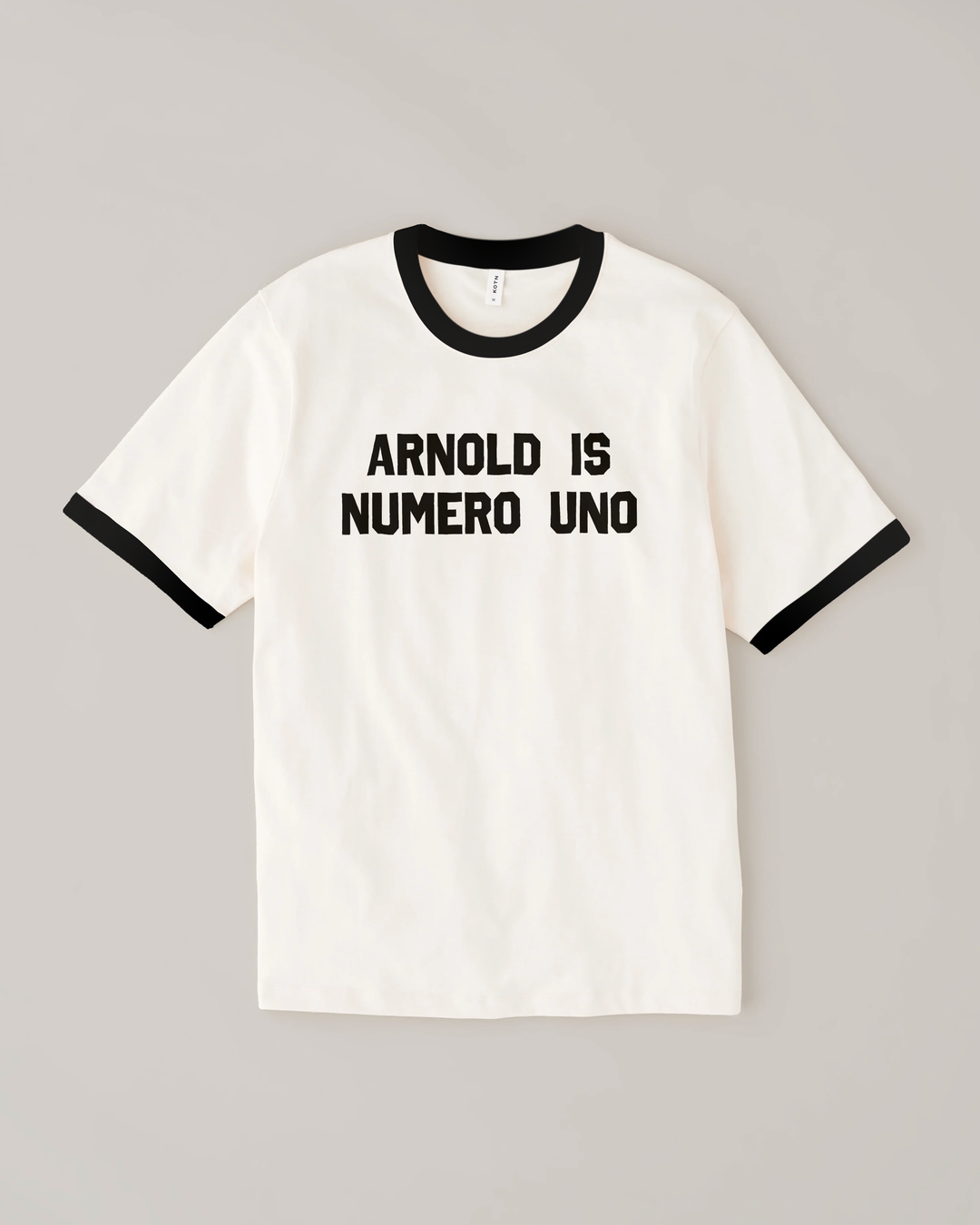
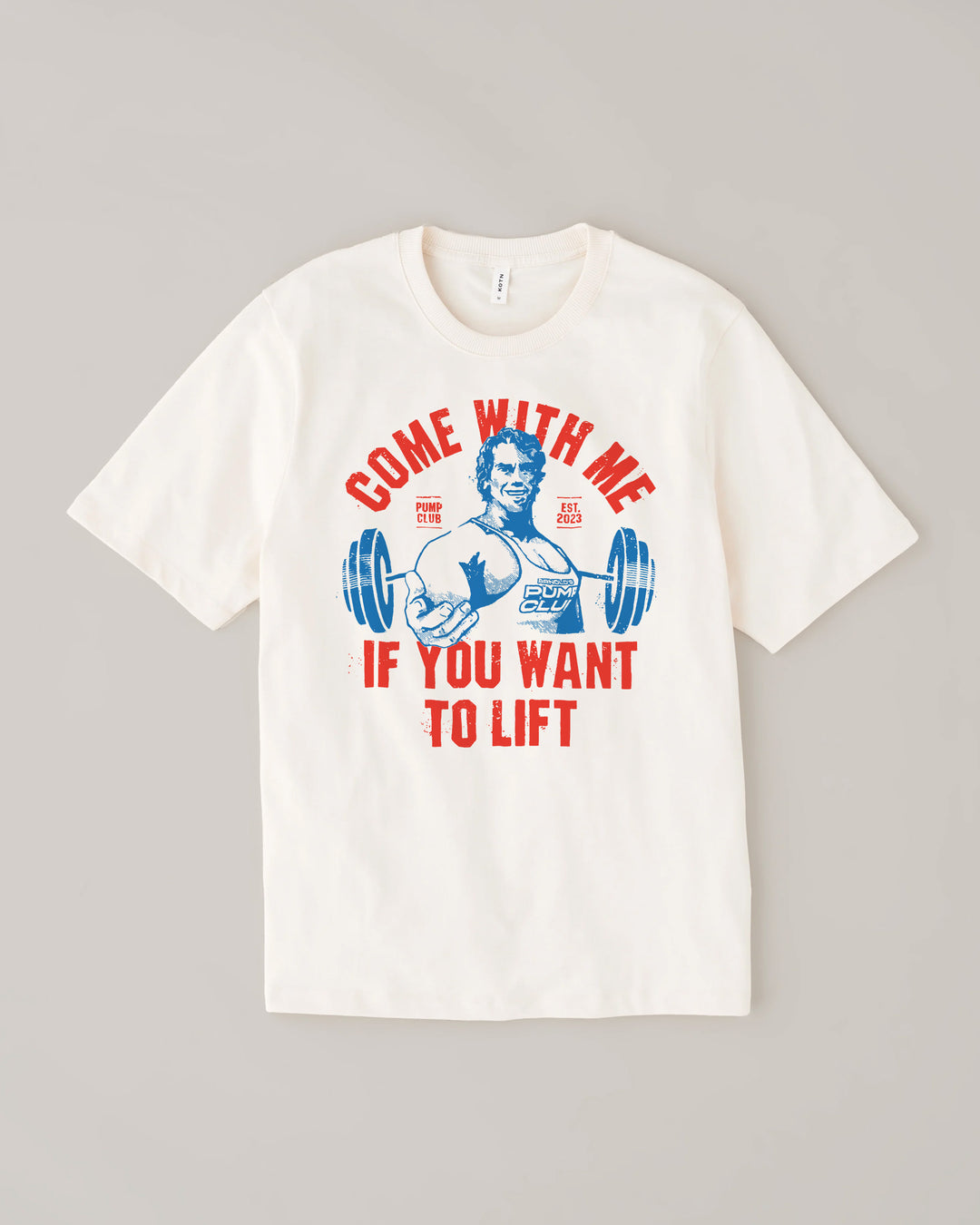
The brand-new Arnold’s Pump Club x Barstool Sports Frank the Tank shirt is officially here.
Built around a message we believe in — Show Up Every Day. No Excuses. No Days Off. — this shirt celebrates the consistency, hard work, and community that defines Pump Club.
And now we’re bringing that energy together in person.
Join us on Sunday, September 13, starting at 9:00 a.m. PT at DEUCE Gym in Venice for a free Pump Club workout and clinic.

You’ll get to train with our coaches, meet other members of the Village, and work out alongside special guest Frank the Tank from Barstool Sports, who has inspired millions with his insane weight loss journey.
Normally, these meetups are for app members only. It’s one of the best perks. But for this one, to celebrate Frank, we wanted to open it up and let everyone see what we are all about.
Grab the shirt, reserve your spot, and come train with us in LA!
Shop the new shirt
RSVP for the free workout
Beyond The Headline
Can The New Cancer Vaccine Prevent Cancer?
The news broke, and people haven’t stopped asking us: “What is a cancer vaccine, and will it prevent me from getting cancer?”
The potential is exciting, but the current version of a cancer vaccine is not a shot you’ll get at the pharmacy to prevent cancer.
The breakthrough is a personalized treatment given after melanoma has already been found and surgically removed.
The vaccine trains the immune system to hunt down any cancer cells left behind before they can grow into another tumor. That’s not to downplay the science, which is incredible. But it’s also to clarify what was developed and what it can realistically do for your health.
Previously, scientists used an immunotherapy (Keytruda), which was also a major breakthrough in cancer treatment that significantly extended lives and shrunk tumors across dozens of cancer types, including lung, melanoma, and triple-negative breast cancer.
The latest announcement highlighted that the phase 3 trials of the new vaccine delayed the return of high-risk melanoma and its spread compared with Keytruda alone.
In a more basic sense, Keytruda helps your immune system identify the target. And then the vaccine helps attack it. That makes it the first personalized mRNA cancer therapy to succeed in a Phase 3 trial.
But “succeed” needs context.
At this point, with limited data, we still don’t know how large the benefit was, whether patients lived longer, or the complete safety results. The companies said there were no new safety concerns, but the full data won’t arrive until a medical meeting and regulatory review.
The only data we have comes from an earlier trial. After five years, adding the personalized therapy to Keytruda reduced the relative risk of recurrence or death by 49 percent compared with Keytruda alone. It also reduced the risk of the cancer spreading elsewhere or causing death by 59 percent.
At this point, the new vaccine isn’t approved, isn’t available, and every dose must be custom-built from an individual patient’s tumor. So it’s a reason for excitement, but not a reason to believe we can now prevent cancer.
Together With Cometeer
How You Take Your Coffee Determines The Longevity Benefits
Coffee has been linked to a longer life in study after study. But recent research suggests the coffee itself may be only part of the equation. What you add to it matters, too.
Drinking black coffee is associated with a longer life. But when you add extra sugar and saturated fat, that link mostly disappears.
Researchers at Tufts analyzed dietary data from more than 46,000 American adults and followed them for nearly two decades. Compared with people who drank no coffee, those who averaged one to three cups per day had up to a 17 percent lower risk of dying during the study.
Once a cup contained too much sugar and cream, the benefits of coffee started to shrink. And the cutoff was lower than you might expect.
The researchers considered less than half a teaspoon of added sugar per cup “low.” For saturated fat, the limit was roughly what you would get from a tablespoon of half-and-half.
That does not prove sugar or cream cancels out coffee’s benefits. The study was observational, so it could only identify a pattern. It’s possible that people who drink black coffee differ from people who order heavily sweetened drinks in ways the researchers could not fully account for.
We still believe that the research is overwhelmingly positive about coffee. But if you’re going to drink it, make sure you find beans and a drink that you truly enjoy.
A small splash of milk or half-and-half, along with a little sugar, still falls within the range associated with lower risk. But flooding the coffee with flavors, sweeteners, and cream can undo the drink's upside.
The solution is understanding why most people drown their coffee in cream and sugar. Bitter, over-roasted beans can lose flavor when they sit in a bag for months. Fix the coffee, and a lot of the problem fixes itself.
That's why we fell in love with Cometeer. They pull beans from award-winning roasters like Onyx and Intelligentsia, brew them at 10x strength on a system engineered out of MIT, then flash-freeze the finished cup to lock the flavor in place.
There's a reason the former president of Nespresso invested after a single sip, and it’s endorsed by several barista champions.
What shows up at your door is a little frozen puck of specialty coffee in aluminum capsules. Melt it with hot water, pour it over ice, or drop it straight into a shake. No more running hot water through a plastic machine every morning. More flavor, less plastic.
No machine, no grinder, no barista, no line. As long as you have water, it’s ready in seconds, and every cup tastes the way you wished it would.
It's rich and full enough on its own that you stop adding sweetener out of habit, which, going back to the research above, is the whole point. As an Arnold's Pump Club reader, you get $20 off your first Cometeer order. No code needed. It's applied at checkout.
Coffee good enough to drink as-is. That's the healthier cup, built into a habit you already have.
Reader Question
Probiotics Are Overselling How Much They Can Help
Terry asks: Why do probiotics seem so complicated? Is it the strain that matters or how many live cultures? And what can I expect?
If it feels like you need a degree to understand probiotics, you’re not wrong. The supplement aisle makes it sound simple: all probiotics are good, and the more “live active cultures” you get, the better they work.
But that’s an oversimplified story.
Most of the benefits of probiotics are oversold. We know that your microbiome is important to your health, but there’s so much we still don’t know about different strains and doses.
The effectiveness of a probiotic depends on the exact strain, the reason you’re taking it, and whether the dose matches the research. A bigger number on the bottle tells you almost nothing by itself.
Most probiotics measure their live and active cultures using CFUs (colony-forming units). That’s a count of the living organisms in each dose. It matters because a probiotic needs to be alive to do anything. But the number is more like a minimum requirement than a strength setting.
Once you reach the dose shown to be effective, adding more doesn’t reliably lead to additional benefits. And sometimes, it may work worse.
In one trial, researchers gave women with IBS the same probiotic strain at three doses: 1 million, 100 million, or 10 billion cells. Only the middle dose beat the placebo. The 100-times-larger dose did not.
Effective doses in studies range from about 1 billion to several hundred billion cells per day. The right amount depends entirely on the strain and what researchers used it to treat.
So it’s not a question of, “Which bottle has the most?” It’s, “Was this exact strain tested for my problem, and does this product provide the dose that worked?”
The exact strain matters because probiotic effects are strain-specific, and very few strains have consistently delivered a clear health benefit.
But a few stand out. Lactobacillus rhamnosus GG can support a healthier immune system and protect your digestive system when it’s struggling. But L. rhamnosus (notice no GG) doesn’t do the same thing. This shows you that two strains from the same species can behave very differently, and it’s very easy to get confused.
If you’re taking antibiotics, strains such as Saccharomyces boulardii or L. rhamnosus GG may lower the risk of antibiotic-associated stomach problems.
Outside of narrow uses like those, the case becomes much weaker.
In 2020, the American Gastroenterological Association reviewed the evidence and found too little support to recommend probiotics for most digestive conditions. For IBS, Crohn’s disease, and ulcerative colitis, it concluded that probiotics should generally be used only in clinical trials because clear benefits have not yet been established.
That’s the part the supplement aisle leaves out. Probiotics aren’t a daily wellness requirement. They’re targeted tools that may help with a few specific jobs.
That’s not to say no probiotics work. There’s lots of promising research, and if you’re taking a probiotic and notice a benefit, you don’t have to stop what’s delivering good personal results.
But it is worth noting that we don’t have consistent evidence to make broad claims about all probiotics. So if you want to use a probiotic, it’s likely best to consult your physician to ensure it’s doing what you intend. Or, just stay tuned for when we do scientific breakdowns in these emails.
Better Questions, Better Solutions
Energy Compensation: Why Your Body Burns Less Elsewhere
Old Question: Why isn't all this exercise burning more fat?
Better Question: Is my body spending less elsewhere to pay for my training?
You’re doing three workouts a week. You're sweating and sore, doing the reps. To make sure you get the results you want, you’re even calculating how many calories you should be burning. But the scale isn’t moving as quickly as the math suggests it should, so you start wondering what's broken.
Your first guess is that something is wrong with your metabolism. Or maybe it’s your hormones.
We’ve helped tens of thousands of people in the Pump Club app with this same problem, and in almost every situation, nothing is broken. As we’ve discussed, studies show that your metabolism is much more fixed than you’ve been told, at least from the time you’re about 18 until your mid-60s. The changes you see are the byproduct of a cocktail of changes you don’t notice.
But more specifically, weight loss is frustrating for so many people because the calculations you run are flawed.
Your body is doing something it's good at — something that is slowing your progress — and it does it at a level you can’t feel, and, oftentimes, you don’t notice.
The thing about fat loss is that while you work hard to crank up the calories you burn during your workouts, your body turns down the calories you burn outside the gym.
Your body runs a budget. It gets comfortable with how it consumes and uses energy, so if you spend big at the gym, it starts trimming elsewhere without telling you.
A fascinating study found that when you burn extra calories exercising, only about 72 cents of every dollar counts. Your body holds back the other 28 cents somewhere a fitness tracker can't see.
Or as the researchers put it: “only 72% of the extra calories we burn from additional activity translates into extra calories burned that day.”
And here's the twist: the people carrying more body fat tended to hold back the most. This is one of several reasons why relying on calorie trackers is not an accurate way to assess or support fat loss.
That doesn’t mean to ditch your training. Exercise still works. The mistake is expecting it to work like a bank deposit, where every calorie you spend lands straight in the account you're trying to drain.
And the harder you exercise and the more you cut calories, the more you tend to move less elsewhere, which has a real impact on how many calories you burn overall per day.
If your gym workout alone is what you depend on to burn fat, at some point, the calories you burn during a workout won’t add up the way you want.
But what you do the rest of the day — the movement outside of the gym and the food you put in your mouth — is how you win.
A hard session can also increase your hunger, so it’s important that you don’t rationalize extra calories when your goal is weight loss. Yes, when you train hard you can burn more. But if you replace that burn with a muffin, the calorie math won’t point in your favor.
And we’re not shaming your dietary freedom; we’re just being honest about what it takes to lose. The second helping that feels like fuel. And it is, but it’s also calories that will keep the scale where it’s at.
If you’re working out, make sure you protect the movement that has nothing to do with what you do in the gym.
Maybe it’s a ten-minute walk after lunch or standing while you take a call. Make your non-gym movement non-negotiable, and don’t use the workouts as an excuse to eat more.
Better Today
Take any of these tips from today’s email and put them into action:
1. The New Cancer Vaccine Won't Prevent Cancer. Here's What It Does
The new mRNA cancer vaccine doesn't prevent cancer, but it is a big potential breakthrough. The new vaccine is a personalized therapy given after melanoma is surgically removed to stop it from returning. Phase 2 and Phase 3 trials suggest it cuts the risk of recurrence or death when added to immunotherapy. Keytruda (an effective immunotherapy) helps the immune system spot the target; the vaccine trains it to attack that specific tumor's fingerprint. However, it is not yet FDA-approved, and every dose is custom-built from an individual patient's tumor.
2. Black Coffee Is Linked to a Longer Life (Until You Add This Much Sugar and Cream)
The longevity link tied to coffee mostly holds only when added sugar and saturated fat stay low. In a Tufts study of 46,000 adults, 1 to 3 cups of black or lightly sweetened coffee a day were associated with up to a 17% lower risk of death, but that benefit faded once a cup exceeded roughly half a teaspoon of sugar or a tablespoon of half-and-half. This doesn’t mean you need to have your coffee black, but it does mean too much of a good thing (from a flavor standpoint) can offset the health benefits of your favorite cup.
3. More Probiotic "Live Cultures" Isn't Always Better. The Strain and Dose Are What Count
Probiotics are marketed as a “one-size-fits-all” over-the-counter solution, but the research paints a very different picture. The effectiveness of probiotics depends on the strain and the dose. More CFUs don't reliably yield greater benefits and can sometimes be worse. In fact, the American Gastroenterological Association reviewed the evidence and found too little support to recommend probiotics for most digestive conditions. If you want to take a probiotic, consult your physician to ensure the one you choose provides the support you want.
4. Your Body Claws Back a Quarter of the Calories You Burn Exercising
On average, only about 72% of the extra calories you burn exercising show up as extra calories burned that day, since your body reduces energy spent elsewhere. And, people with more body fat compensated the most. Exercise still works; it just doesn't add up linearly. Your best bet is to make sure you don’t reduce your movement outside the gym, and that you don’t rationalize eating extra calories just because you’re training hard.
The Positive Corner of The Internet
About Arnold’s Pump Club Editorial Standards
We do things a bit differently here, starting with transparency.
The Content: All APC emails are researched, written, and fact-checked by the APC editors (see bottom of the email), with written contributions from Arnold (noted with “Arnold’s Corner”). Links take you to original studies (not second-hand sources).
Does AI play a role? Not for the primary content, but it is used in two ways. The main items are original content written by the APC team. The summaries at the end are AI-generated based on the human-written content above. We also use an AI tool to edit and review our interpretations of the research, ensuring scientific accuracy. We don’t assume AI is right, but we use technology to hold ourselves accountable.
Yes, we have partners (all clearly noted by “Together With”). Why? Because it allows us to keep the APC emails free. We first test products, and then reach out to potential partners who offer ways to help you improve every day. The bar is set high, and to date, we have turned down millions in ad deals. (Example: we will not partner with any non-certified supplements or those without evidence in human trials). If we won’t buy the product, we won’t recommend it to you. And if there’s no evidence it works, then there’s no place for it here.
—
Publisher: Arnold Schwarzenegger
Editors-in-chief: Adam Bornstein and Daniel Ketchell