


Welcome to the positive corner of the internet. We’re here to make your life healthier, happier, and less stressful. At the bottom of each email, we explain our editorial process, stance on AI, and partnership standards.
If you were forwarded this message, you can get the free daily email here.
Today’s Health Upgrade
Your lifting RX for longevity
Be Trend-proof
What happens when men and women train the same way?
The reflex problem
Longevity
How Much Lifting Does It Take to Live Longer?
Most conversations about exercise and longevity focus on cardio. Walk more, run more, ride a bike. And those recommendations are solid. But they leave out part of the equation. And now, a comprehensive analysis on resistance training and death risk just confirmed something the lifting community has known for years: picking up heavy things does more than make you stronger.
Resistance training reduces the risk of dying from all causes by 15 percent, cardiovascular disease by 19 percent, and cancer by 14 percent.
Researchers pooled data from 10 prospective studies to examine whether lifting weights, using resistance bands, or any form of strength training is associated with longer life expectancy. All 10 studies tracked adults aged 18 to 85 over follow-up periods ranging from 7 to 17 years.
The findings were consistent across the board. People who did any resistance training had a significantly lower risk of death compared to those who did none.
The combination of resistance training and aerobic exercise delivered the strongest protection: a 40 percent lower risk of all-cause mortality compared to doing neither. For cancer specifically, resistance training alone reduced mortality risk by 16 percent, while aerobic exercise alone showed no statistically significant reduction. Doing both cuts cancer mortality by 28 percent.
The biological reasons make sense. Resistance training improves insulin sensitivity, regulates blood pressure, builds lean muscle mass, and reduces visceral fat, all independent risk factors for early death.
If you need a place to begin, start with two sessions per week targeting your major muscle groups: legs, chest, back, and shoulders. Bodyweight exercises count. So do resistance bands. If you're already lifting, you don't need to add more volume to chase longevity benefits. Sixty minutes a week appears to be the sweet spot. And if you're doing cardio but skipping strength work, this is your sign to add it in.
Together With Momentous
Don’t Just Talk About It. Be About It.
Every few months, there's a new 30-day fix promising to change everything. Most people chase it until it stops working. And then they follow the next big thing.
Arnold never has.
For more than 60 years — across bodybuilding, film, business, and politics — he's operated from the same foundation: do what works, do it with total commitment, and do it longer than anyone thinks necessary. Not because he's stubborn. Because he's seen what actually builds something that lasts.
That mindset — to be Trend-Proof — is the foundation of his success.

It's a commitment to fundamentals over fads, to consistency over novelty, to building a body and a life that don't need to be rebooted every season.
Trends are loud. The work happens in silence. The people who show up every day — not chasing the new thing, not waiting for the perfect moment — those are the ones who reap the rewards of their work.
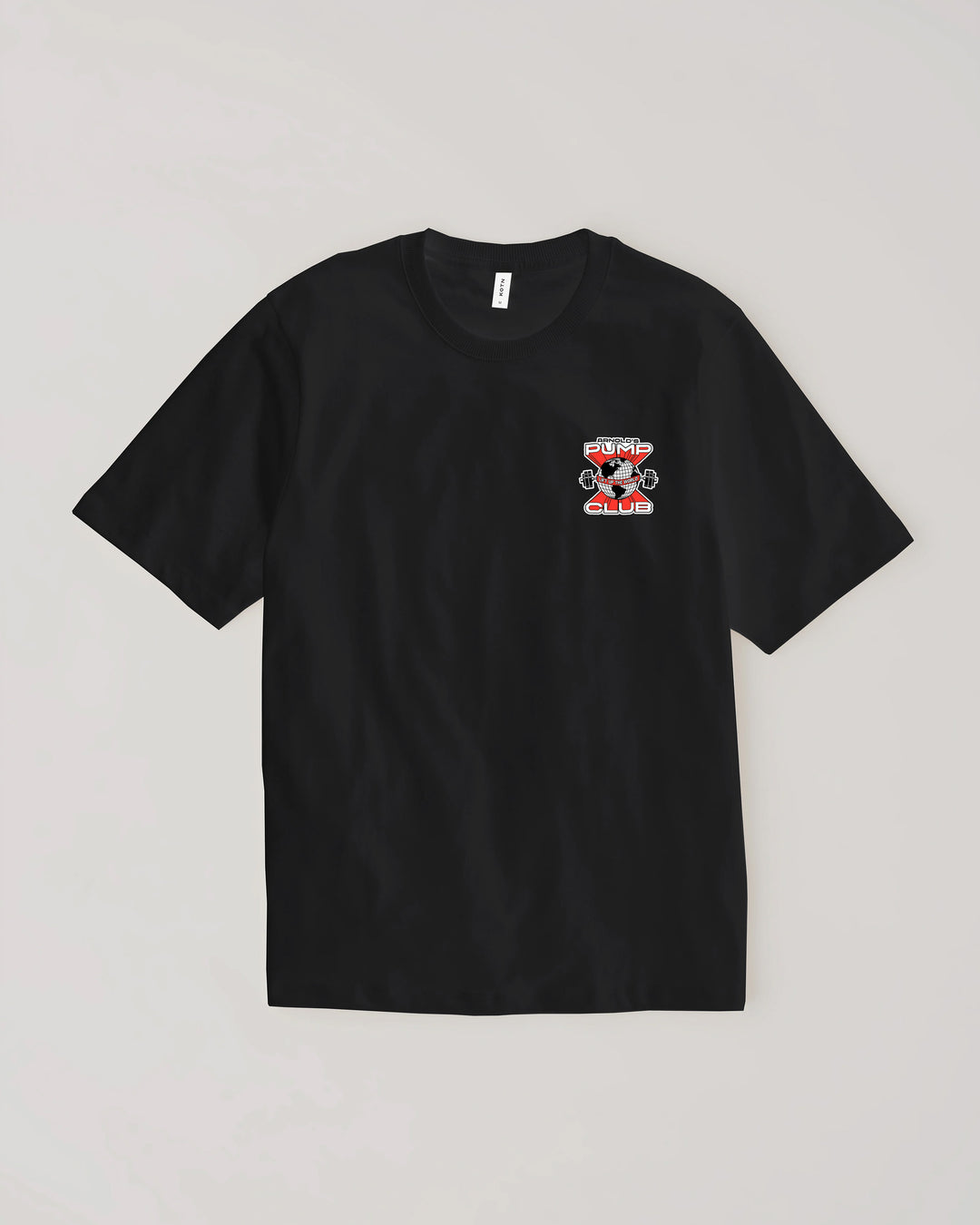
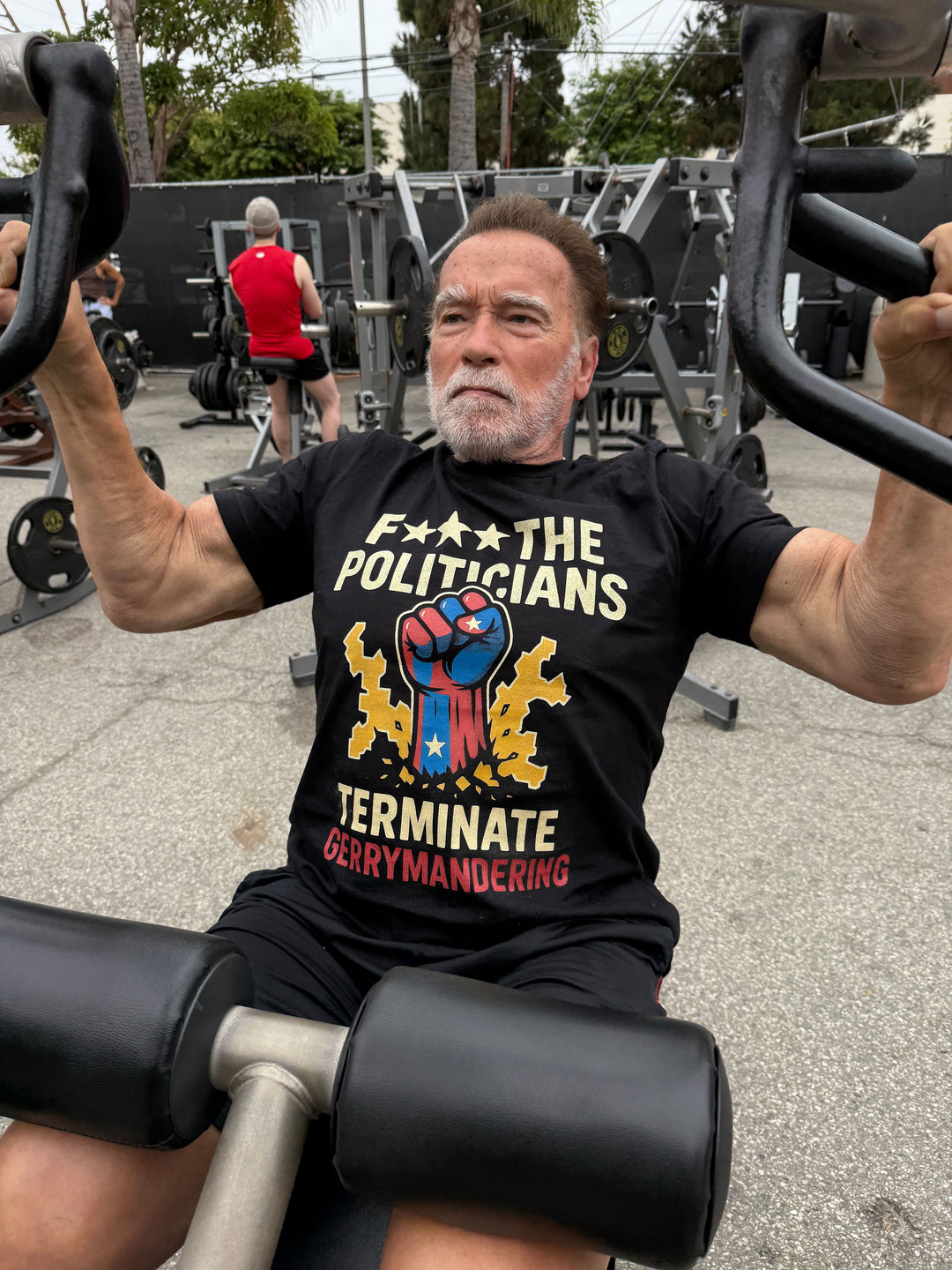
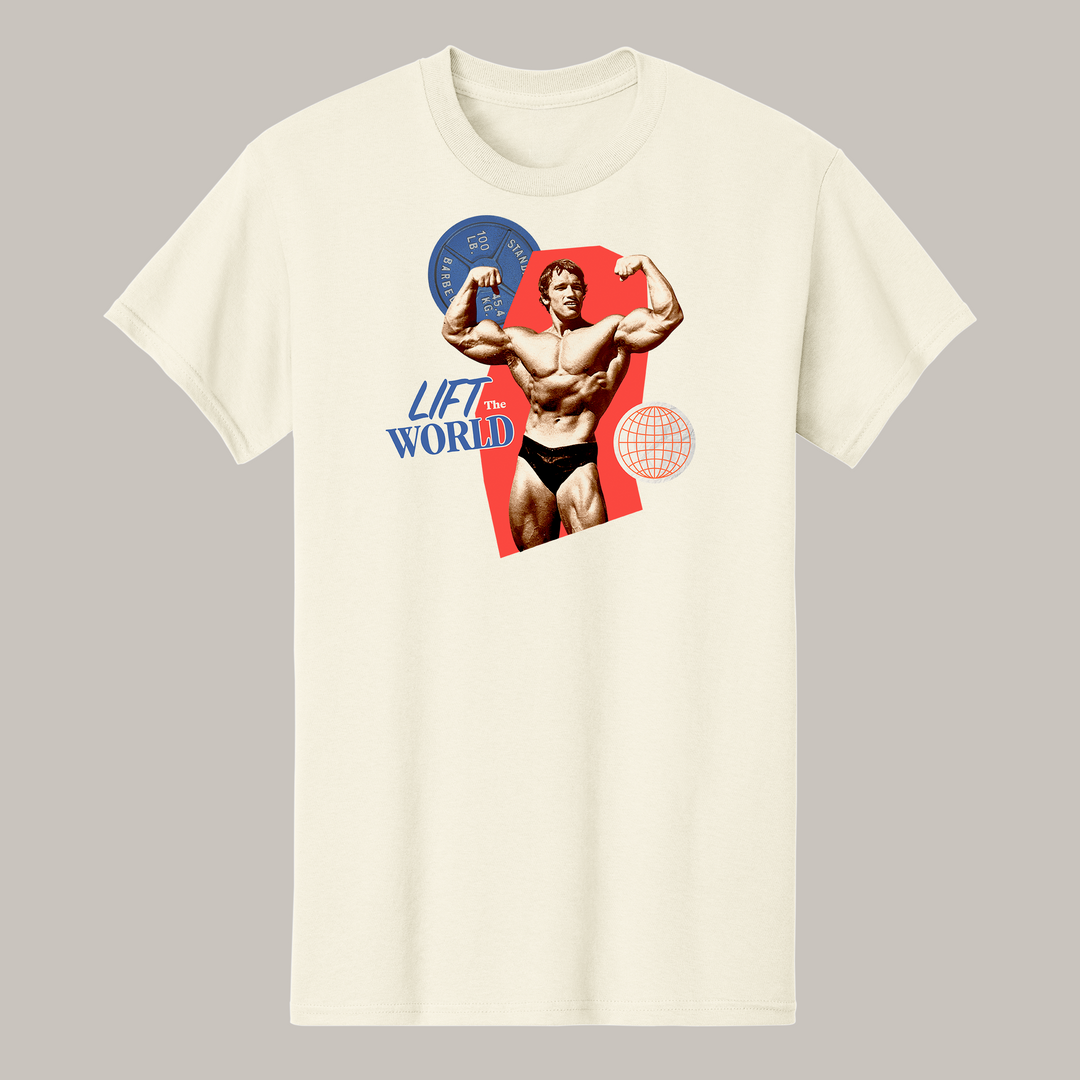
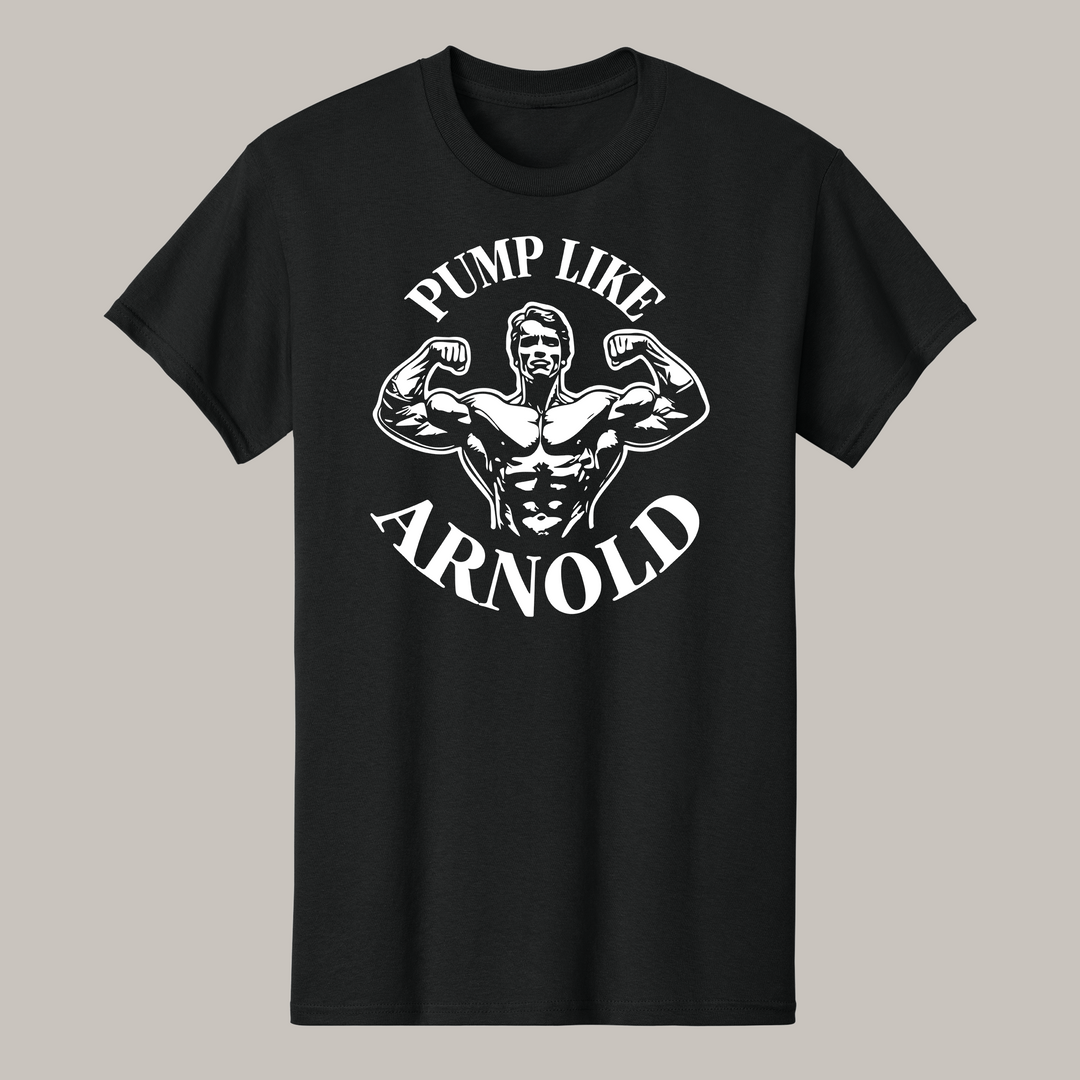
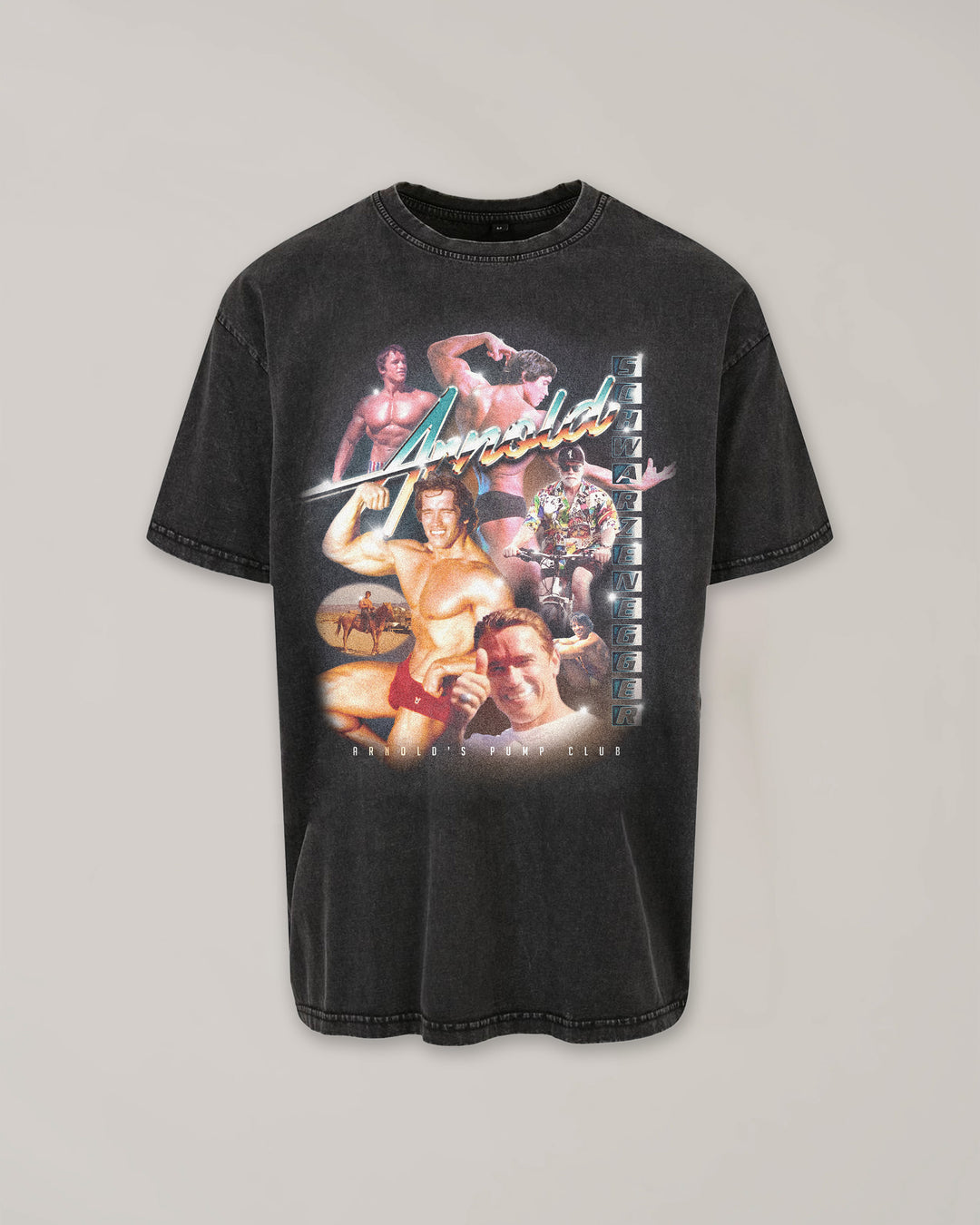
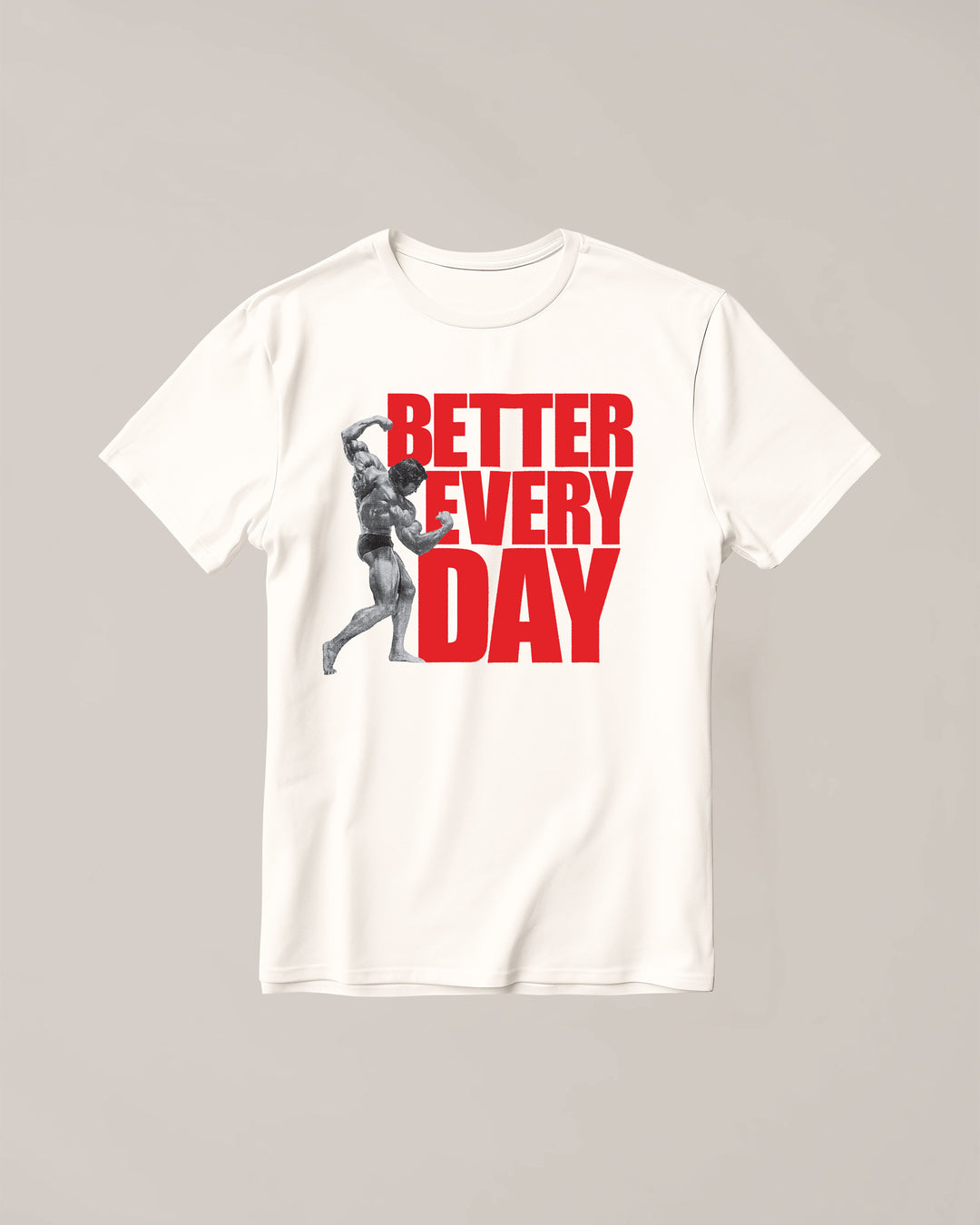
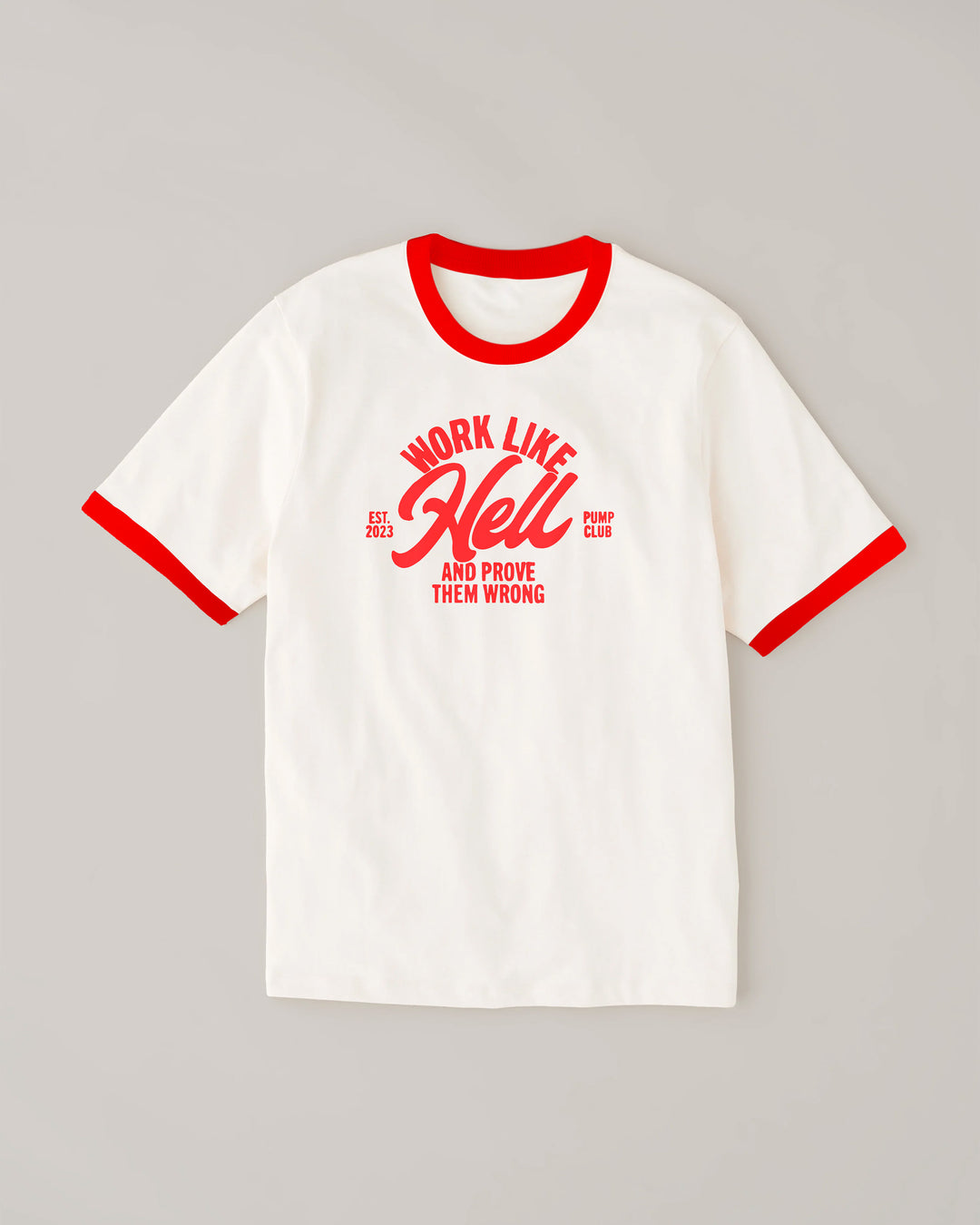
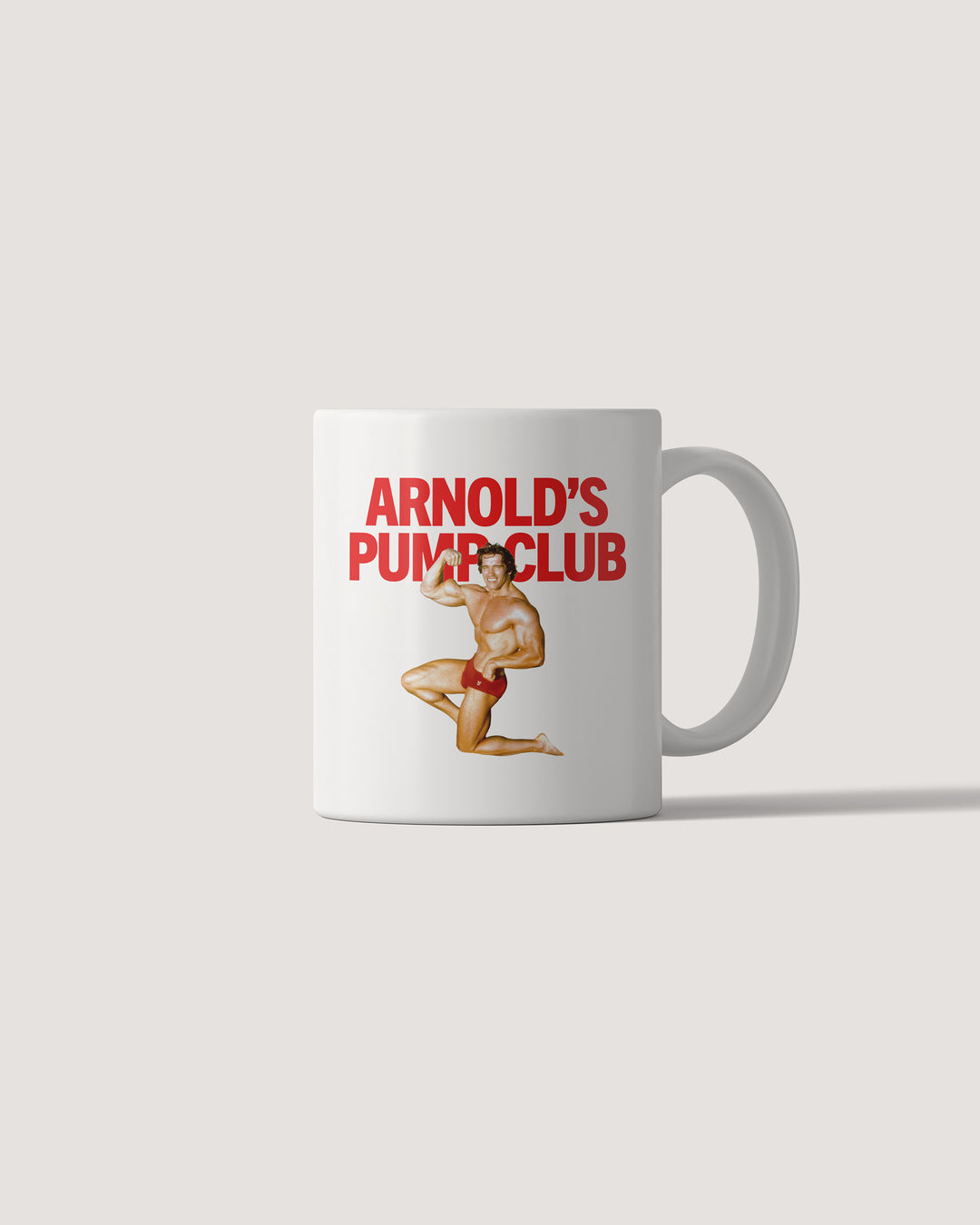
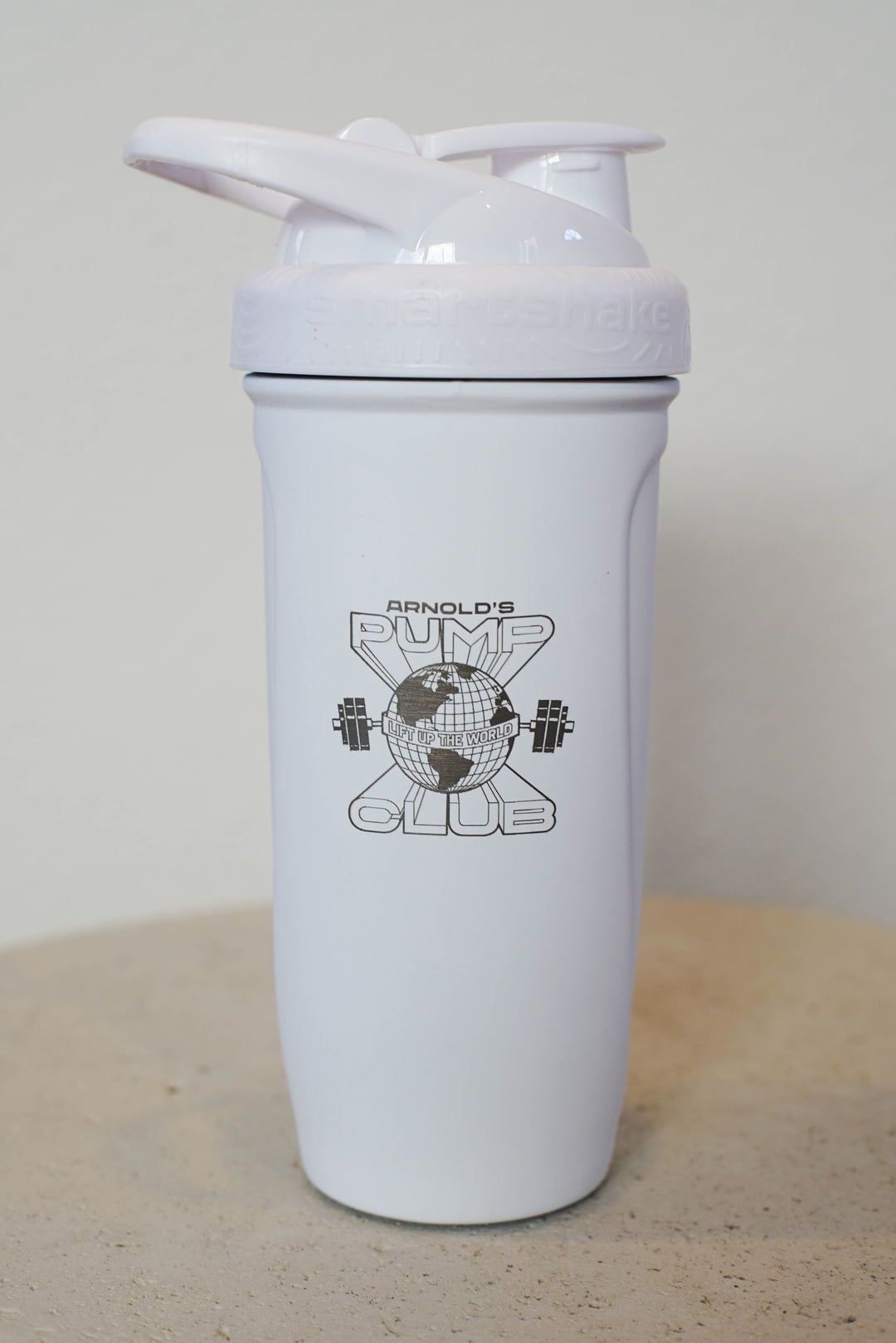
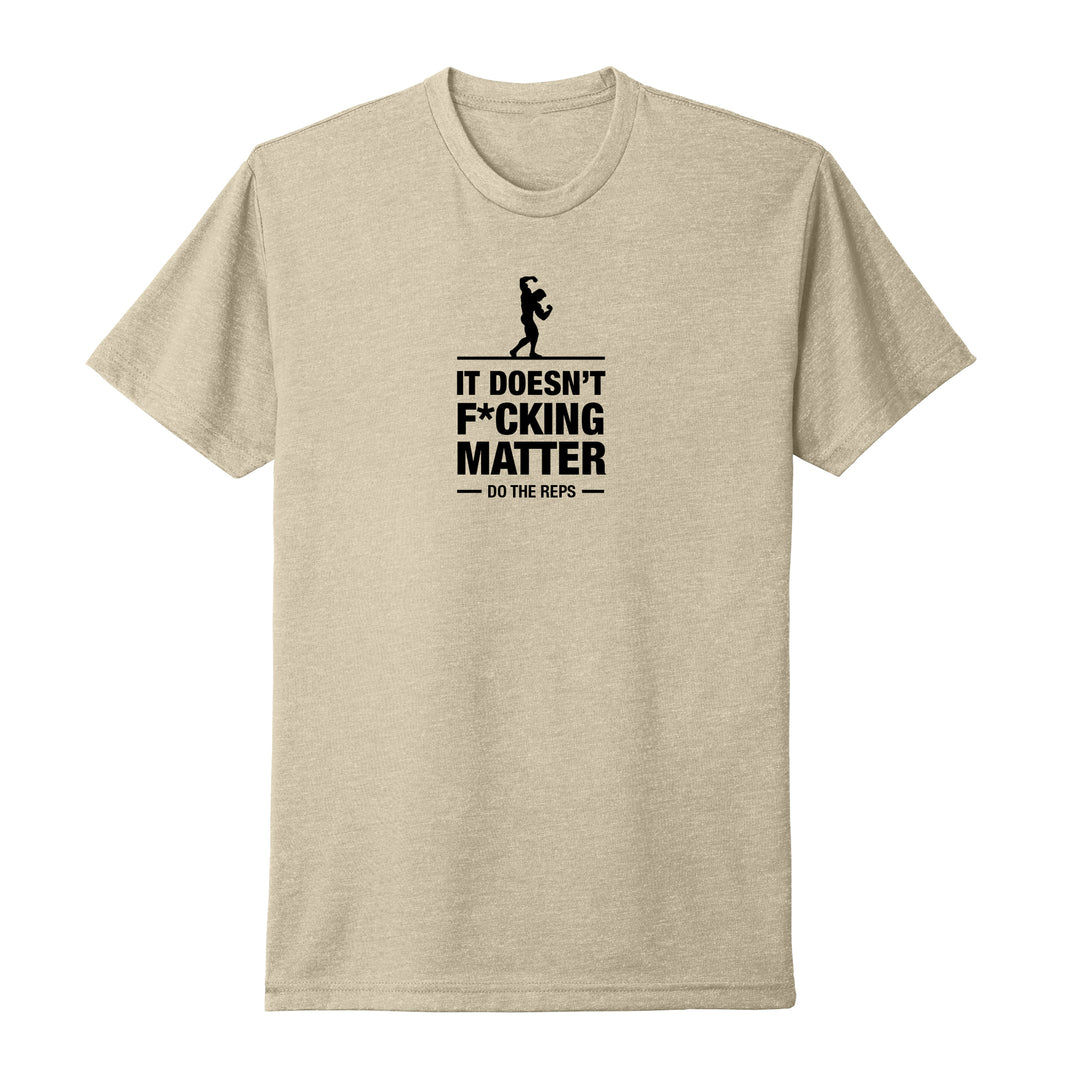
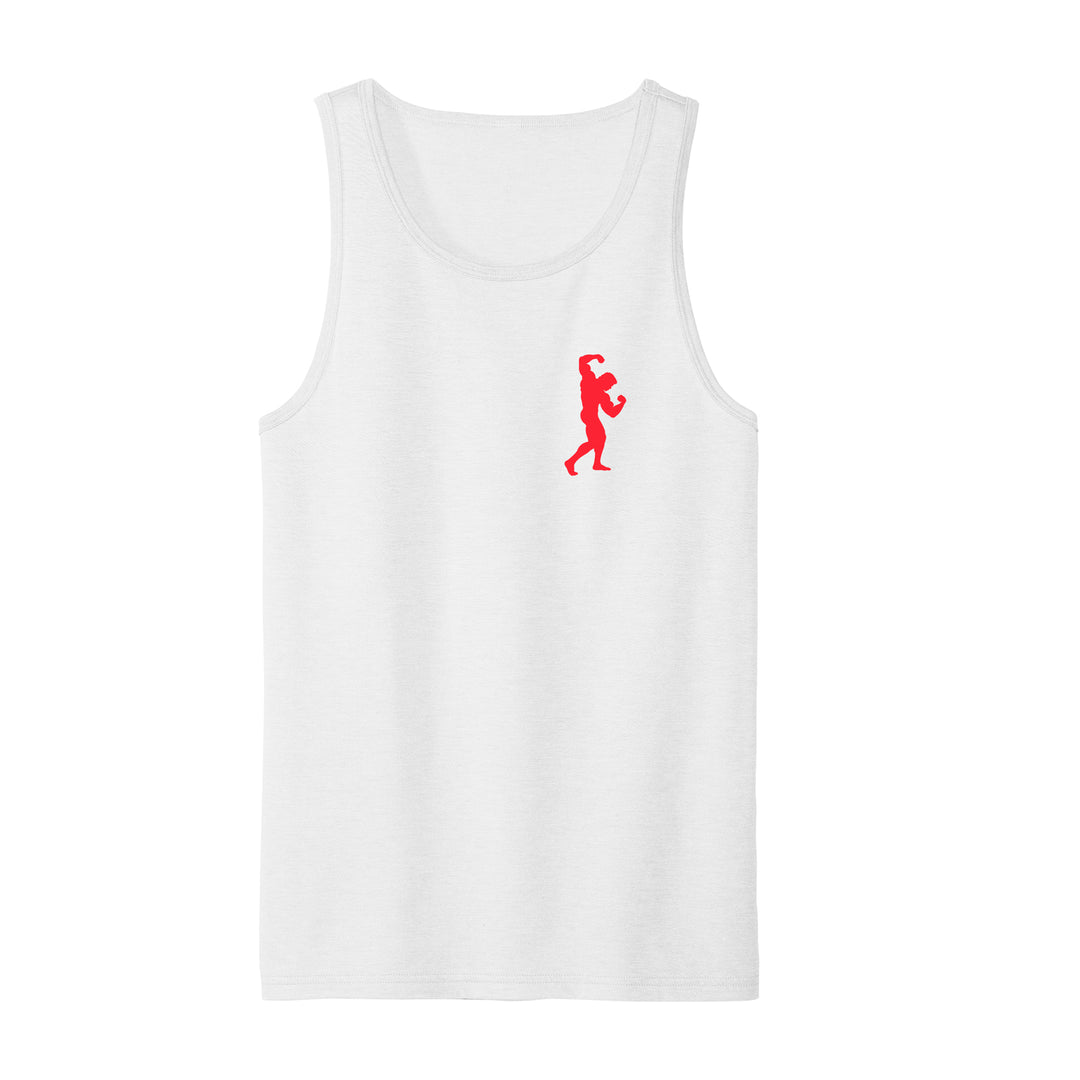
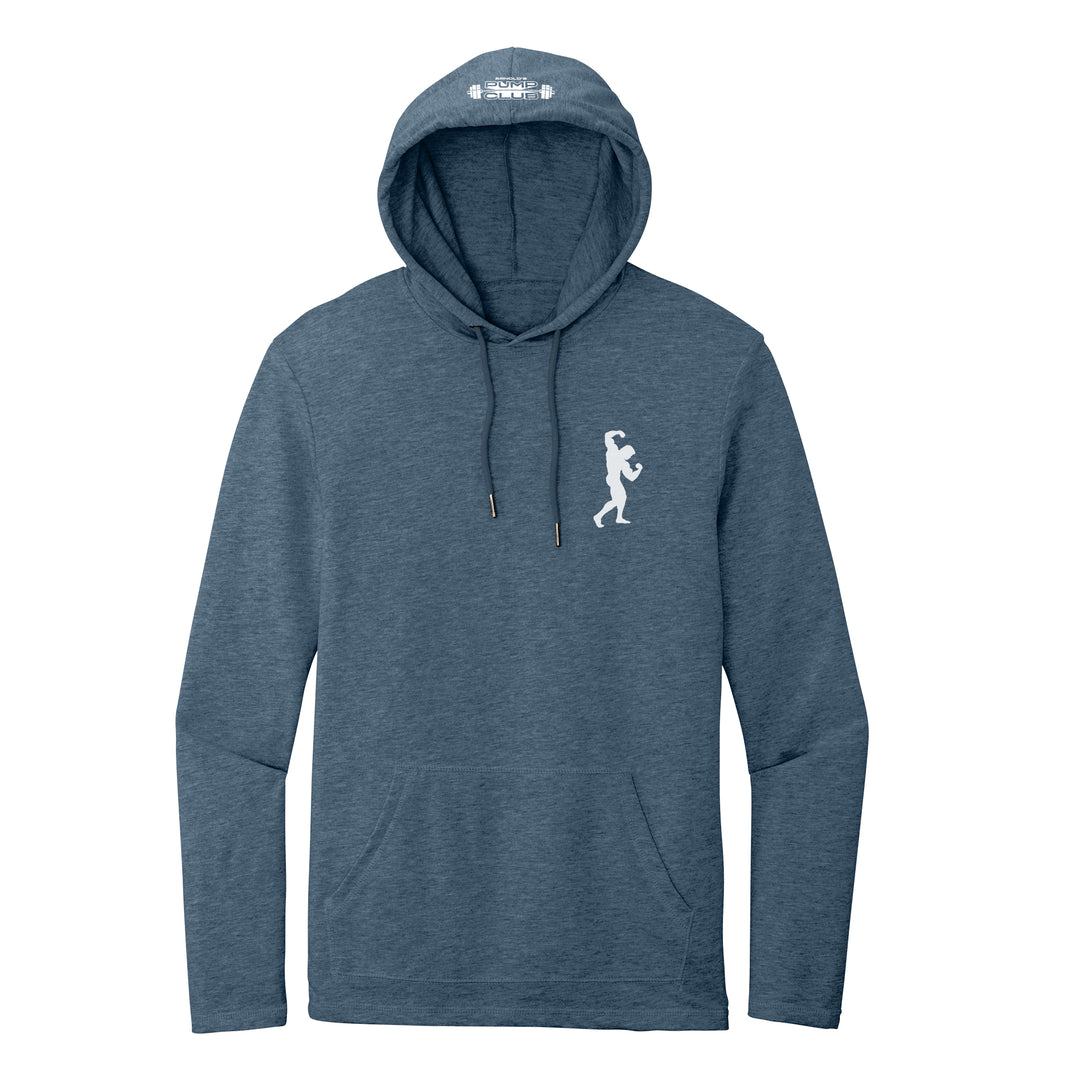
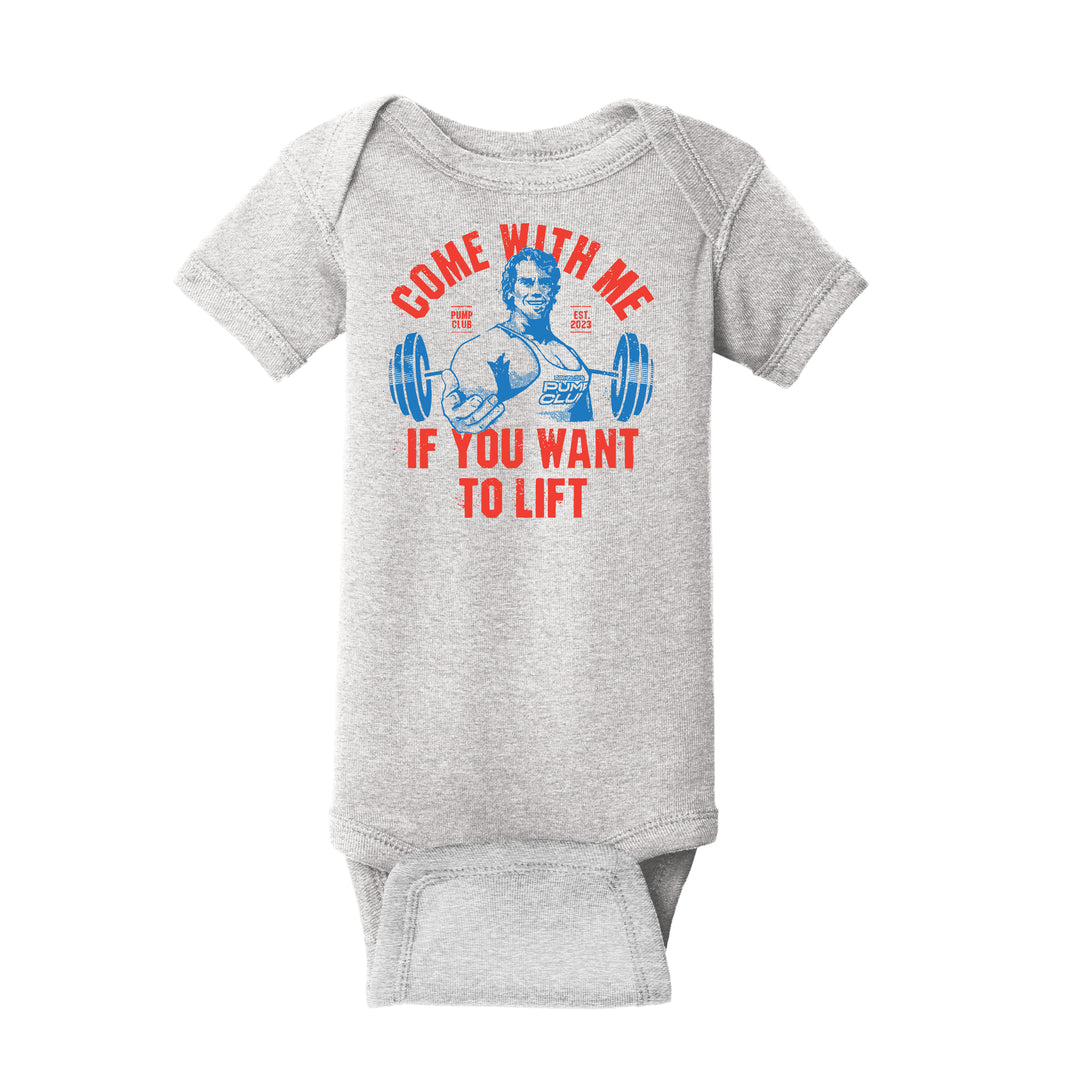
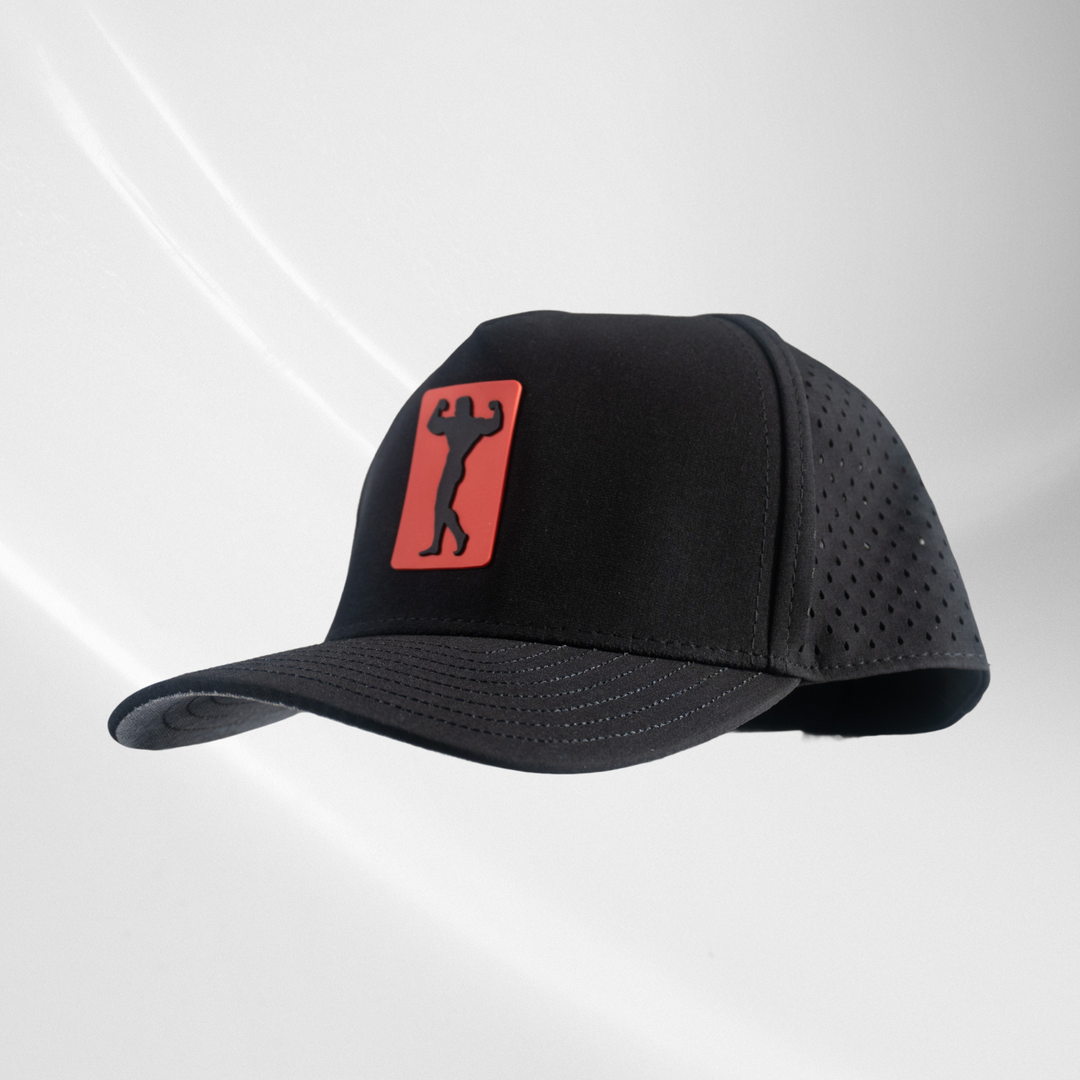
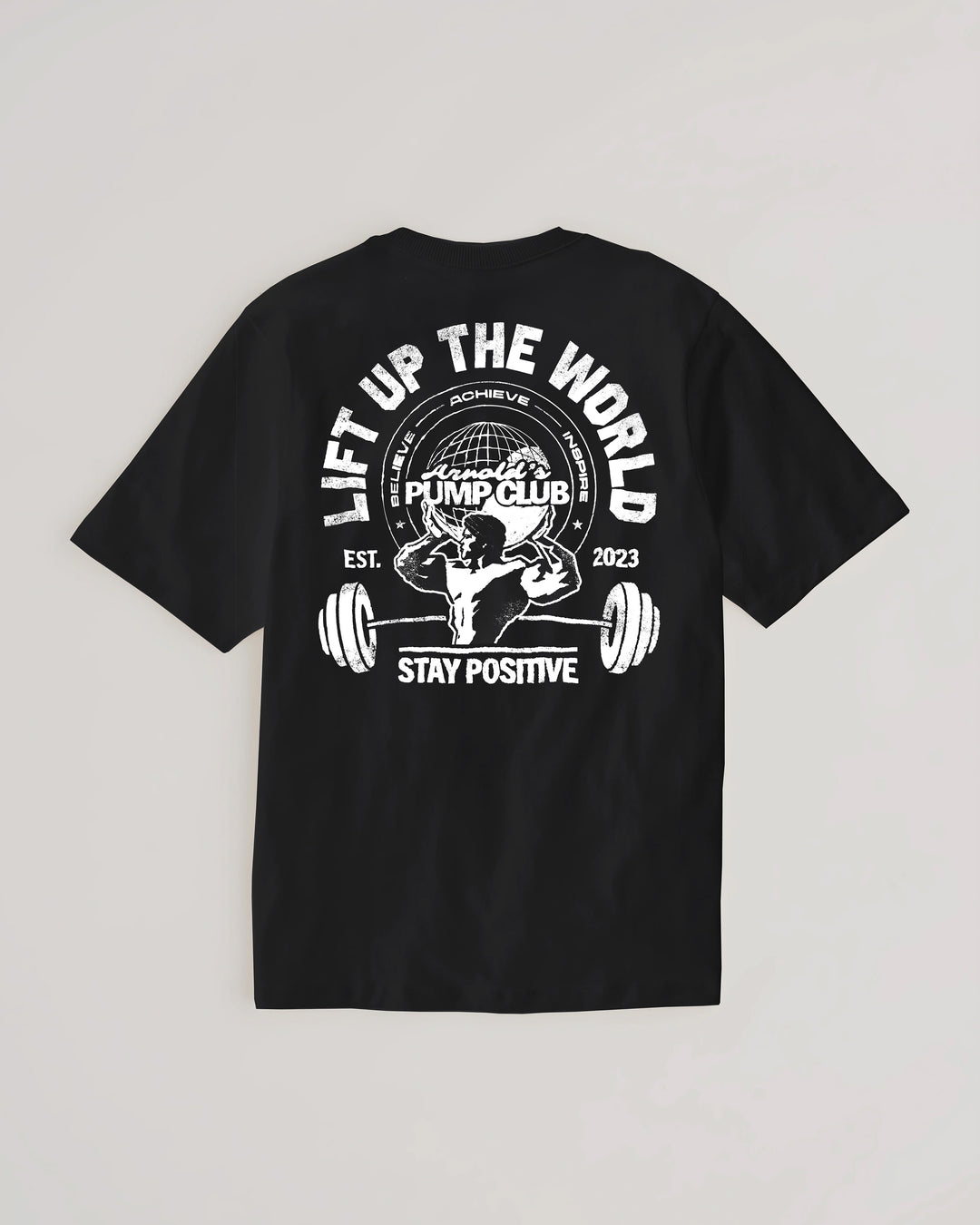
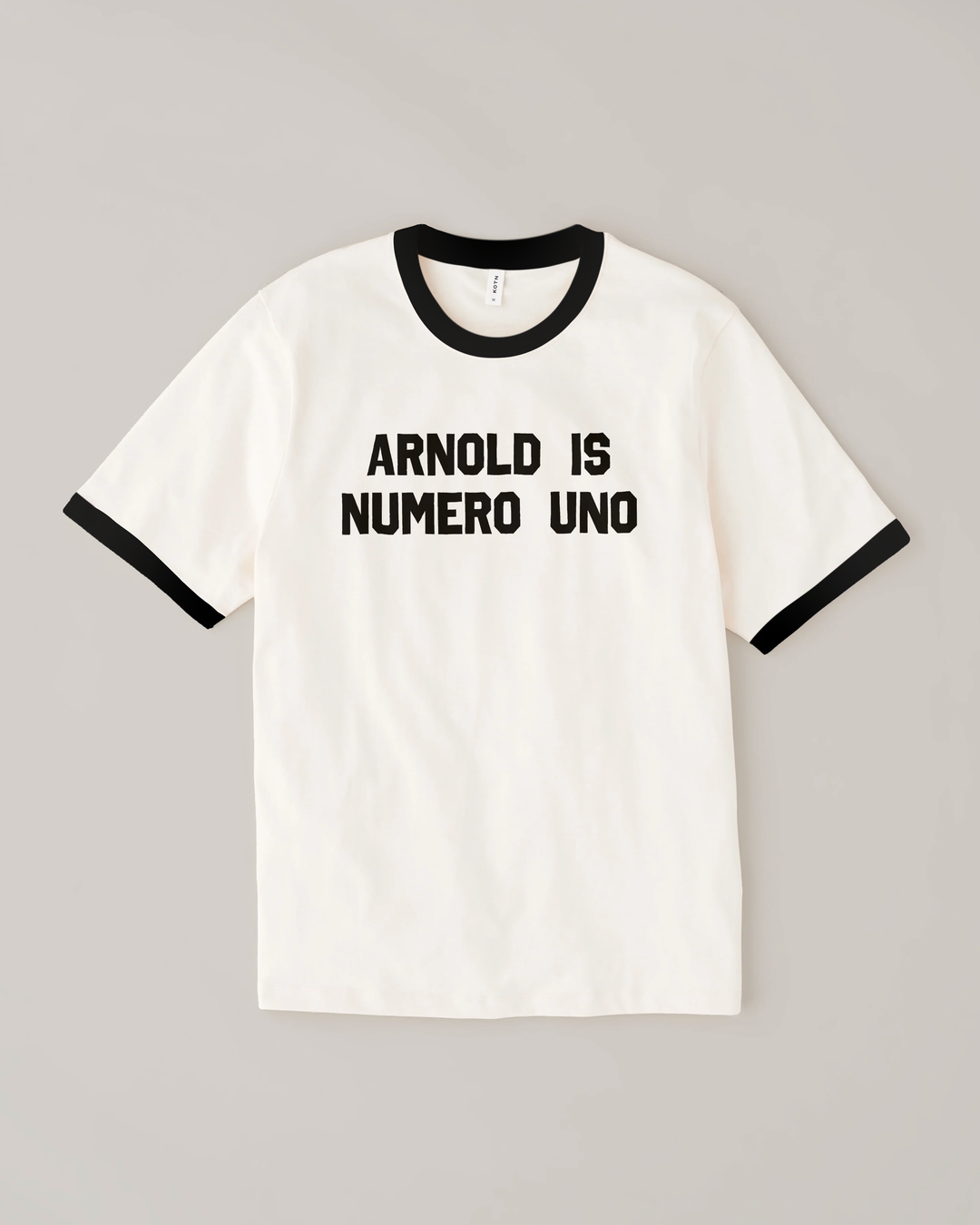
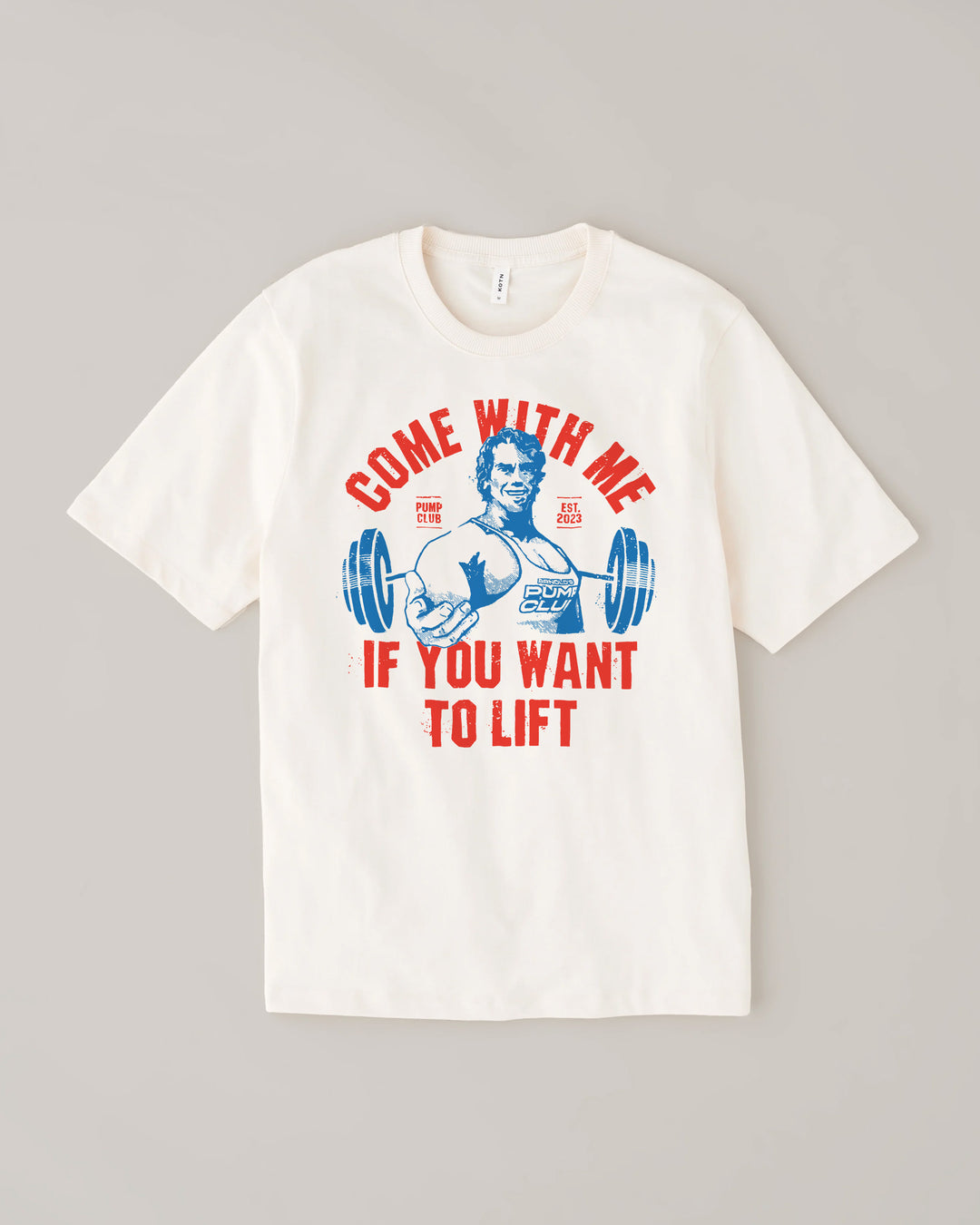
Momentous, Arnold, and The Pump Club built a limited-edition collection to celebrate what it means to be Trend-Proof. Wear the t-shirt, hat, tank, or drink from the shaker.
Many people talk about playing the long game. These are for the ones who actually do.

The Helimix® is what all shaker bottles should be.
Fitness
Men and Women Tried The Same Workout Program. Here's What Happened
Somewhere along the way, women got told they should train differently than men. Lighter weights. More reps. "Toning" instead of building. The implication was clear: women's bodies just don't respond to resistance training the same way. Turns out, that's wrong.
A meta-analysis of 29 studies found that women build muscle at the same relative rate as men when following the same resistance training programs.
Researchers pooled data from studies comparing muscle growth between healthy males and females aged 18 to 45 who performed identical training. Men gained slightly more total muscle, but that's almost entirely because they started with more.
When the researchers looked at the percentage growth from each person's baseline, the difference was 0.69%. Essentially zero. Results held regardless of whether participants trained upper body or lower body, and whether they were beginners or had prior experience.
The reason the absolute numbers favor men is simple math, not biology. If two people both grow their biceps by 10%, but one started with a larger arm, that person ends up with more total muscle added. The growth rate — what your body actually does in response to training — is the same.
What this means in the gym: women don't need "women's programs." They don't need to avoid heavy weights or stick to high-rep sets to see results. They just need science-based programs that work.
The same principles that build muscle for men — progressive overload, training close to failure, adequate protein, consistency — work identically for women. Pick a program based on your goals and schedule, not your gender. If you've been holding back because you assumed your body couldn't respond like a man's, the evidence says otherwise. If you need help finding the right program, The Pump Club has supported thousands of women who transformed their bodies.
Adam’s Corner
The Reflex Problem
Nellie had been talking to herself as I pushed her little pink car along the trail. That's when I first heard the rustling.
I was walking my daughter on a route I'd taken a hundred times. I heard the noise, but didn't see anything. The noise got louder. Still nothing. I spun, my heart at the back of my throat. Ready for something I couldn't name.
And then I saw it. A puppy. Ten weeks old, maybe. It had crashed through a pile of leaves, chasing nothing in particular. It stopped to look at me, confused by my reaction.
I stood there and then looked at Nellie. She was unbothered in her 1-year-old blissful ignorance, as I waited for my heart rate to return to something normal.
Two summers ago, I was on a walk when a dog got off its leash. I saw it coming, but didn't think much of it. Just another dog running. By the time I turned, it had already done what it came to do and took a chunk of my calf that I never got back.
I moved on and have been around dogs plenty of times since. I didn't think that what happened affected me much. Until my body made clear that it still did.
The Stories You Don't Know You're Telling
There's a phrase — the body keeps the score — that comes from trauma research. The idea that certain experiences don't just live in memory. They live somewhere older. Somewhere that acts before you can think.
I used to think that meant you carried trauma like a scar. Something visible. Something obvious. And that can be the case. But for many people, I think it's more subtle.
Our experiences can become a reflex.
A sound. A smell. A tone in someone's voice. You feel it before you understand it. You're fine. You're safe. The situation is benign.
But the reflex doesn't care.
Standing on that sidewalk, even in the presence of a non-threatening situation, something in me had already made the connection, skipped ahead, and pulled an alarm I didn't know still had power.
That's not a trauma story. That's a human one.
And I started thinking about all the ways those types of reflexes show up.
The job you stopped applying for after another rejection. The relationship where you keep one foot out the door because a past partner broke you. The diet you abandon faster than you should because you've already seen how this movie ends.
None of those experiences feels like reflexes. They feel like logic. Reasonable caution. Self-awareness, even.
But what if some of them aren't?
What if the thing you call a lesson is sometimes just a scar that learned to make arguments against your best interests?
We all have moments that create reflexes. And what develops can change everything.
Arnold lost his first bodybuilding show in America. He cried all night. Thought he had made a mistake. Imagine if that loss became a reflex. Maybe I don't belong. Maybe I'm not cut out for this.
His whole future hung in the balance of what he decided that night about the loss. He decided it meant he needed to work harder.
My wife applied to graduate school for the career she wanted. She was rejected. She told herself it was a sign that maybe this dream wasn't meant for her, and she put it down for six years. Then one day, she picked it back up. Revived her dream, faced her fears, and applied again. She got in, graduated, and now runs her own practice.
When I wanted to be a journalist, I couldn't get hired anywhere. Not one yes. I then applied to grad school. During an interview, one professor told me I'd never write for a mainstream audience. Today, millions read my work every week.
The rejections were real. The pain was real. What wasn't real — though it felt completely real at the time — was the story each of us built from them. The part where we decided the outcome was information about what was possible.
The reflex always sounds rational. Protective. Mature. But here's what I've learned:
The reflex is not prophecy. It's memory disguised as intuition. And if you're not careful, it limits your future.
The Ordeal Is The Point
Every great story has an ordeal. The moment everything built seems lost. It looks like rock bottom.
But that's the transformation point. The moment when the hero stops being a student and becomes something else.
The ordeal doesn't lie. But the story we tell ourselves afterward sometimes does. The reflex wants you to avoid the ordeal. The ordeal is the point.
Every meaningful pursuit includes failure. Every worthy goal stretches you beyond what feels comfortable. You will try hard and not succeed. You will put in the effort and not get what you want.
I can't tell you how to undo a reflex in three steps. But I can tell you where the solution starts: with recognition. Before the plan. Before the habit. Before any of that.
Where do you stop when stopping doesn't quite make sense?
Not why. Not yet. Just where.
Where do the reasons appear suspiciously fast? Where does "the timing isn't right" become the permanent condition? Where do you pull back in ways that feel like wisdom but might just be the echo of something old?
That's the place. And it's worth spending some time there before you decide it's rational.
I couldn't stop my heart from racing when that puppy startled me. But I could notice it. I could name it. I could say, This is old data, not present danger. That's the work.
Once you can see the reflex for what it is — a genuine attempt to protect you, built in a real moment of pain — you can ask the harder question: Is it still doing that?
Or has the reflex been making decisions that are preventing you from facing the obstacle that leads to growth?
Back on the path, Nellie finally stopped chatting when we turned the last corner home. She had no idea anything had happened.
I thought about that later. How close we can be to something and still have no idea it's there.
The puppy didn't cost me anything. I caught my breath, reset, and didn't think about it again until I couldn't stop thinking about it.
Most reflexes aren't that harmless. Most don't announce themselves. You just find yourself standing still one day, in front of something that might be exactly what you want, and you can't explain why your feet won't move.
Don't misunderstand the lesson. You don't need to eliminate fear. You don't need to erase the past. You don't need to pretend it didn't hurt.
You do need to decide whether the reflex decides what happens next.
Because sometimes, the sound in the bushes you’re worried about is just a puppy. -AB
Better Today
Take any of these tips from today’s email and put them into action:
1. 60 Minutes of Lifting Per Week Is Enough to Significantly Lower Your Risk of Death
A pooled analysis of 10 prospective studies tracking 18- to 85-year-old adults for 7 to 17 years found that resistance training reduced all-cause mortality by 15%, cardiovascular mortality by 19%, and cancer mortality by 14%. Combining resistance and aerobic training delivers the strongest protection: a 40% lower risk of all-cause mortality compared to doing neither, and a 28% reduction in cancer mortality specifically. Two sessions per week targeting major muscle groups — legs, chest, back, shoulders — is enough to access these benefits.
2. Women Build Muscle at the Same Relative Rate as Men. A Meta-Analysis of 29 Studies Just Confirmed It.
Researchers compared muscle growth between healthy males and females aged 18 to 45 who performed identical resistance training programs and found no difference in relative muscle growth rate—effectively zero—regardless of whether training targeted the upper or lower body, or whether participants were beginners or experienced lifters. Men accumulated more absolute muscle mass, but only because they started with more; the underlying growth response to identical training stimuli was the same across sexes. Women don't need different programs, lighter weights, or higher rep ranges — the same principles that drive male muscle growth (progressive overload, training near failure, adequate protein, consistency) produce identical relative results in women.
3. Sometimes, Preventing Pain Is Really Stopping You From Growth. Here’s How To Recognize When It Happens.
Psychologist Bessel van der Kolk's documented framework — that the body retains the imprint of past experiences as physical and behavioral reflexes, not just conscious memories — shows up not just in clinical trauma but in everyday patterns: the job you stopped applying for after one rejection, the relationship where you keep one foot out the door, the diet you abandon before it can work. The key is recognizing the difference between protective reflexes triggered by real pain and the false prophecy they can become. The recognition step precedes everything else: locate where you stop when stopping doesn't quite make rational sense, and ask whether the reflex is still protecting you or just making decisions.
The Positive Corner of The Internet
About Arnold’s Pump Club Editorial Standards
We do things a bit differently here, starting with transparency.
The Content: All APC emails are researched, written, and fact-checked by the APC editors (see bottom of the email), with written contributions from Arnold (noted with “Arnold’s Corner”). Links take you to original studies (not second-hand sources).
Does AI play a role? Not for the primary content, but it is used in two ways. The main items are original content written by the APC team. The summaries at the end are AI-generated based on the human-written content above. We also use an AI tool to review our interpretations of the research and ensure scientific accuracy. We don’t assume AI is right, but we use technology to hold ourselves accountable.
Yes, we have partners (all clearly noted). Why? Because it allows these emails to remain free. We first test products, and then reach out to potential partners who offer ways to help you improve every day. The bar is set high, and to date, we have turned down millions in ad deals. (Example: we will not partner with any non-certified supplements or those without evidence in human trials). If we won’t buy the product, we won’t recommend it to you. And if there’s no evidence it works, then there’s no place for it here.
—
Publisher: Arnold Schwarzenegger
Editors-in-chief: Adam Bornstein and Daniel Ketchell