


How Much Strength Training Do You Need to Live Longer?
A 30-year Harvard study of 147,000 adults found the weekly strength-training dose tied to the lowest death risk, and it's less than you think.
Welcome to the positive corner of the internet. We’re here to make your life healthier, happier, and less stressful. At the bottom of each email, we explain our editorial process, stance on AI, and partnership standards.
If you were forwarded this message, you can get the free daily email here.
Today’s Health Upgrade
Number you won’t forget
Why you struggle to learn from what you read
The restlessness that's costing you more than you realize
The caffeine dose that boosts endurance in the heat
Longevity
Number You Won’t Forget: 90-120 Minutes
The Strength-Training Sweet Spot for a Longer Life (Is Less Than You Think)
“8 Minute Abs” might have come and gone. Just another trend in a long line of get-fit-quick promises. But just because you can’t get fit instantly, doesn’t mean you can’t get healthier in less time than you think.
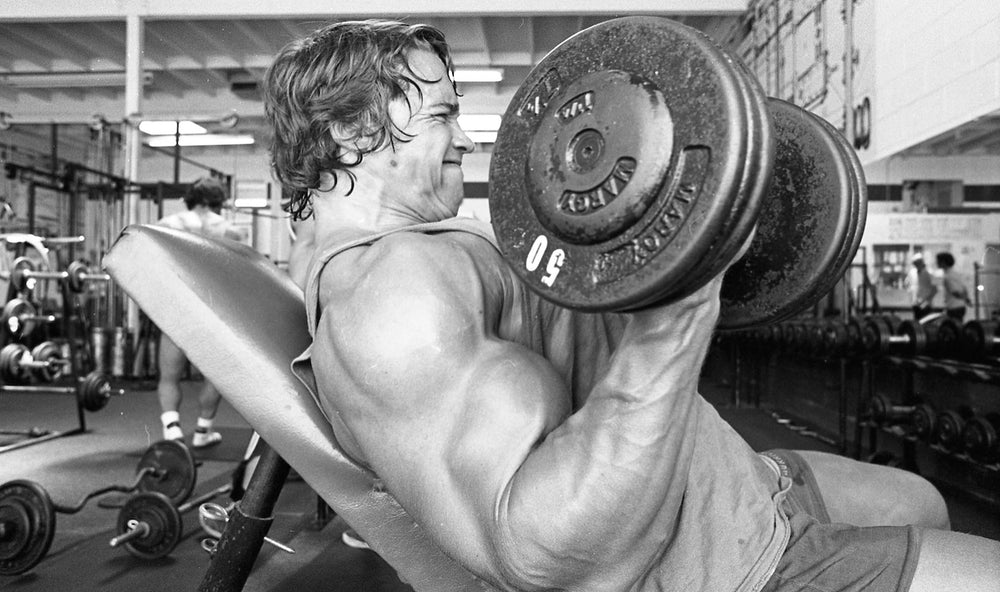
According to a new study, around 90 to 120 minutes of strength training a week was associated with the lowest risk of premature death.
Researchers followed nearly 147,000 U.S. nurses and other health professionals for up to 30 years. Instead of asking people about their training only once, the researchers remeasured it every few years to obtain a more accurate assessment.
Compared with people who didn't lift at all, those in the 90-to-120-minute range had about 13% lower risk of death from any cause, after accounting for their cardio.
So if you're starting from zero, aim for at least two 45-minute sessions a week. Push hard, stick consistent, and hit all the big movements: squat, push, pull, and carry something heavy. Keep your walks and bike rides too, because the lifting works alongside your cardio, not instead of it.
That time isn’t a guarantee for any aesthetic goals. And you still have to put in the work.
But it goes to show that a little bit of time lifting weights is one of the best investments you can make in your longevity.
Together With Shortform
Why Your Reading Doesn't Stick (And How to Fix It)
You've read the books. Highlighted the good parts. Felt that jolt of "this changes everything." And a month later, your days look exactly the same.
That's not a discipline problem. It’s a planning problem.
Researchers pooled 94 studies all chasing one question: why do some people follow through on a goal while others, who want it just as badly, don't?
The answer: People who followed through had decided in advance exactly when, where, and how they'd act. A plain "if this happens, then I'll do that."
One study made it concrete. Students were given a report to turn in over the holidays. The ones who pinned down exactly when and where they'd sit down to write it turned it in 71% of the time. The ones who just meant to get to it? Only 32%.
One group planned. One group didn’t.
So here's the move: Next time you read something worth keeping, don't just underline it. Turn it into one specific plan. Not "I should eat better," but "if it's lunch at my desk, I'll order the side salad instead of fries." The idea stays useless until you give it a when and a where.
And here's where reading lets you down. A book hands you fifty good ideas and zero plans. You finish it, nod, and the ideas evaporate, because nothing ever told you what to do with them.
That's the gap Shortform closes. It’s a book summary service, but it does more than summarize books. It helps you turn ideas into action.
How do they do this?
Guides include exercises after chapters to help make the ideas stick and prompt you to put them into action.
Use Shortform for 15 minutes a day, and you’ll not only learn from more books, but you’ll also actually put what you learn to use.
Plus, it's how a lot of people who learn for a living already get ahead.
Mark Manson wrote several of the books on there and says they nailed his. Ryan Holiday and Ali Abdaal use it. Atomic Habits author James Clear is on the roster. We started using it at the Pump Club and didn't stop.
Arnold’s Pump Club readers get a free trial and 25% off the annual plan at shortform.com/arnold. The discount applies automatically when you sign up for the annual subscription through that link — no code needed.
Reading more was never the goal. Doing something with what you read is. And the gap between the two is smaller than you'd think: one specific plan, and about ten seconds deciding when you'll start.
Mindset
Weekly Wisdom
All of humanity's problems stem from man's inability to sit quietly in a room alone.
Watch yourself the next time you're stopped at a red light. Or standing in line. Or lying in bed after the alarm goes off. Somewhere in that half-second of stillness, your hand finds your phone before you've decided to reach for it.
No craving. No thought. Just a reflex. And it’s something worth reprogramming.
That reflex is the very thing Pascal warned about three hundred years before the smartphone existed.
He wasn't romanticizing solitude or telling you to meditate.
He was naming something less comfortable: most of us will do almost anything to avoid being alone with our own minds. And the cost of that avoidance is bigger than it looks.
Researchers wanted to know how comfortable people really are with their own thoughts. They put volunteers in an empty room for up to fifteen minutes with one instruction: just think. No phone, no book, nothing.
Most didn't enjoy it. So the team added a twist: a button that delivered a mild electric shock. When surveyed earlier, the participants had said they'd pay money to avoid a shock.
Left alone with nothing else to do, 67 percent of the men and 25 percent of the women pressed the button to be shocked at least once. (One man pressed it 190 times, though the researchers flagged him as an outlier and left his data out.)
The takeaway isn't that people are desperate to escape their own minds. Most who pressed it did so just once or twice, likely out of curiosity. It's something stranger: given the choice between doing nothing and doing something, even something unpleasant, a lot of us reach for the something.
That's not a character flaw. It's how most of us are built now. But it explains a lot: why you're tired in a way sleep doesn't fix, why your best ideas never seem to arrive, why you can train hard all week and still feel scattered.
We tell ourselves the problem is that we're too busy. The truth is, many of us are never unoccupied long enough for anything important to surface.
Real recovery needs an off switch. So does planning. So does noticing that something in your life isn't working before it becomes a crisis. None of it happens mid-scroll.
Arnold has said that part of what let him accomplish so much was his ability to dream and not have other things pulling at his attention. No feed to refresh. Long stretches alone with a goal, which forced him to dream it, see it in detail, and build the plan backward from there.
Arnold still guards that focus, and it's still why he gets more done than most. The vision came first. The vision needed room.
You have less room than he did. Not because you're weaker, but because the distractions are better engineered. Being alone with your thoughts rarely “just happens.” You have to choose it.
Turn Wisdom Into Action
Pick one daily moment you'd normally spend with your phone, and leave it empty. The first cup of coffee. The walk to the car. The few minutes before sleep. No music, no podcast, no scrolling. Just you and whatever shows up.
It'll feel uncomfortable, maybe a little boring, and that discomfort is the whole point. You're not clearing your mind. You're proving you can sit with it.
The goal isn't to think more. It's to find out you can go a few minutes without an escape hatch, and meet whatever has been waiting for you to slow down.
Community
Look Good, Feel Good
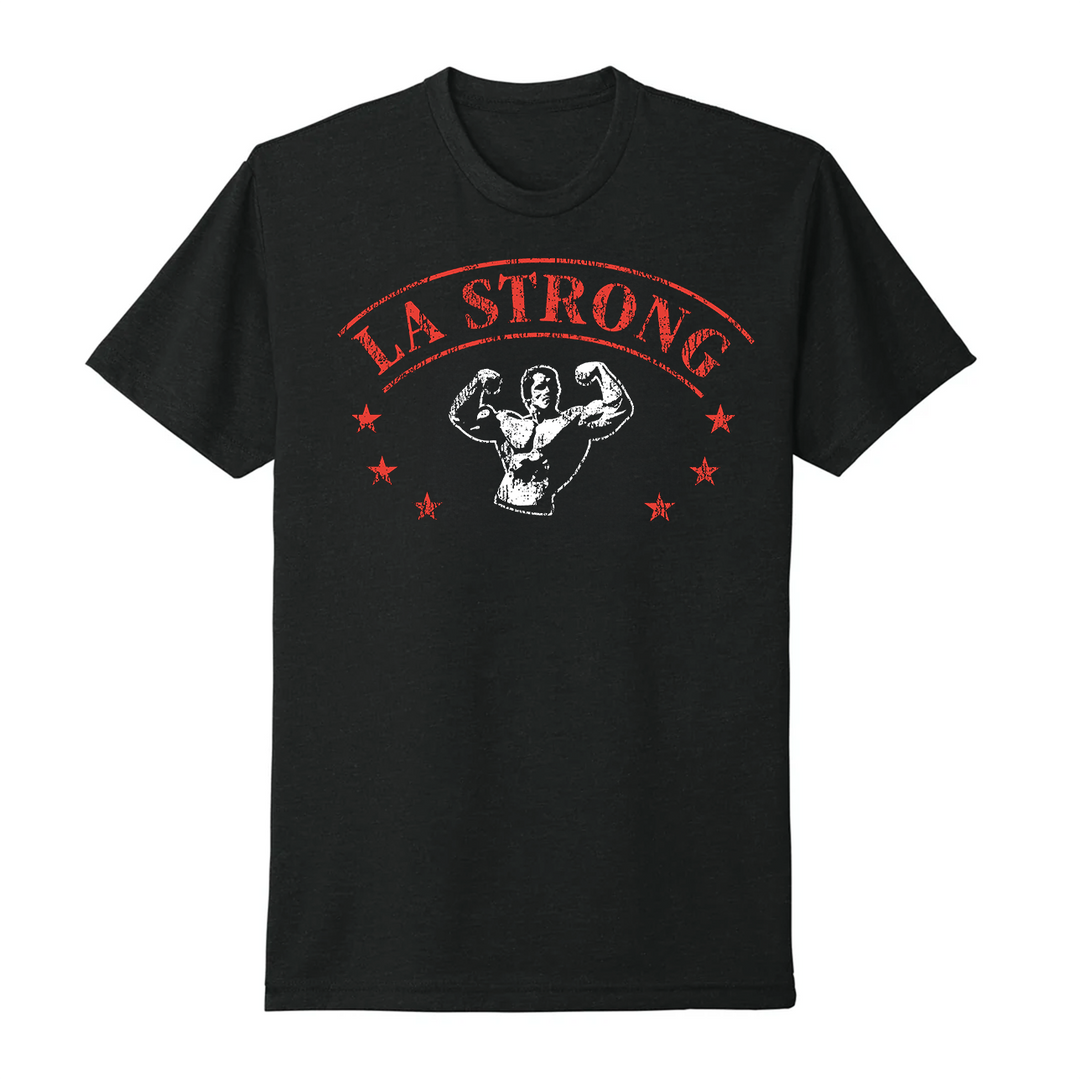
We just received this brand new shirt yesterday, and Ketch immediately wore it to the World Cup game.
Meet the “Made In America” shirt.
Get it while it’s in stock, and you’ll have the perfect thing to wear this 4th of July.

Nutrition
The Simple Strategy That May Help You Last Longer In The Heat
If your energy seems to melt away when you train in the heat, you're not imagining it. Heat stress makes exercise feel harder, shortens endurance, and drains your willpower. Early research suggests one familiar tool might help you push back.
In a recent study, higher-dose caffeine helped reduce perceived fatigue and protect endurance during exercise in the heat, keeping performance steady even as the temperature climbed.
Researchers had participants complete four cycling-to-exhaustion sessions: one in a normal room (about 76°F) and three in the heat (about 91°F). In the hot sessions, they took either a placebo, 3 mg/kg of caffeine, or 6 mg/kg of caffeine (they chewed on caffeine gum). The team tracked how long riders lasted, how hard the effort felt, and how their bodies responded.
In the heat, endurance dropped except when riders took the higher dose, which kept their ride times on par with the cooler room. Both caffeine doses improved oxygen uptake and ventilation, but only the higher (6 mg/kg) dose made the effort feel easier.
Caffeine works because it blocks adenosine, the brain chemical that signals fatigue, while ramping up your central nervous system.
This was a relatively small study on younger individuals, so we can’t say this will be the outcome for all.
More importantly, the 6 mg/kg dose is also a lot. For a 180-pound person, that's nearly 500 mg, and it also increased heart rate.
Treat this as a reason to experiment carefully, not to mega-dose. If you want to use caffeine, start at a lower dose in comfortable conditions, and always test it in training — never on race day — so you know exactly how your body responds.
And that’s it for this week. Thanks for being a part of the positive corner of the internet. Take action on any goal this weekend, and we hope you have a fantastic weekend.
-Arnold, Adam, and Daniel
Better Today
Take any of these tips from today’s email and put them into action:
1. The Strength-Training Sweet Spot for a Longer Life Is Less Than You Think
Roughly 90 to 120 minutes of strength training per week is the dose associated with the lowest risk of early death, and doing more than that doesn't lower the risk further. A 30-year Harvard study of 147,374 adults found that this range was associated with about a 13% lower all-cause mortality risk, a 19% lower cardiovascular mortality risk, and a 27% lower neurological disease mortality risk compared with people who did none.
Why it matters: A little weight training each week was linked to living longer. You need way less than you'd guess, and more doesn't help.
Try this: Do two 45-minute lifting sessions this week. Squat, push, pull, and carry.
2. The 71% vs. 32% Gap That Separates People Who Follow Through
People follow through far more often when they decide the exact when, where, and how of an action in advance, rather than just holding the goal. Across 94 independent tests, forming these "if-then" implementation intentions had a medium-to-large effect on goal attainment, and in one field study, report completion rose from 32% to 71% when people specified when and where they'd do it.
Why it matters: People who decide exactly when and where they'll act get way more done. Following through isn't about willpower. It's about having a plan.
Try this: Turn one goal into an "if this, then I'll do that" plan today.
3. The Discomfort of Being Alone With Your Own Mind
Most people find unstructured stillness genuinely aversive and will reach for almost any stimulation to escape it — even something unpleasant. In one study, when participants were left alone to think for up to 15 minutes, 67% of men and 25% of women chose to shock themselves at least once, despite having earlier said they'd pay to avoid that shock.
Why it matters: Most people would rather do anything than be alone with their mind. You never slow down long enough for your best ideas to show up.
Try this: Pick one daily phone moment and leave it empty. No music, no scrolling.
4. Can Caffeine Help You Train Harder in the Heat?
Caffeine can help preserve endurance during exercise in the heat, but in this study, the protective effect was clearest at a high dose. Across participants cycling to exhaustion at ~91°F, both 3 and 6 mg/kg of caffeine improved ride time versus placebo, but only 6 mg/kg kept endurance on par with a cool (~76°F) room and was the only dose to reduce perceived fatigue.
Why it matters: A bigger dose of caffeine helped people keep going when it was hot. Heat drains you quickly, and caffeine can blunt that effect, but potentially at a price.
Try this: If you try it, start small, find what works for you, and only take it when you train, never on race day.
The Positive Corner of The Internet
About Arnold’s Pump Club Editorial Standards
We do things a bit differently here, starting with transparency.
The Content: All APC emails are researched, written, and fact-checked by the APC editors (see bottom of the email), with written contributions from Arnold (noted with “Arnold’s Corner”). Links take you to original studies (not second-hand sources).
Does AI play a role? Not for the primary content, but it is used in two ways. The main items are original content written by the APC team. The summaries at the end are AI-generated based on the human-written content above. We also use an AI tool to review our interpretations of the research and ensure scientific accuracy. We don’t assume AI is right, but we use technology to hold ourselves accountable.
Yes, we have partners (all clearly noted by “Together With”). Why? Because it allows us to keep the APC emails free. We first test products, and then reach out to potential partners who offer ways to help you improve every day. The bar is set high, and to date, we have turned down millions in ad deals. (Example: we will not partner with any non-certified supplements or those without evidence in human trials). If we won’t buy the product, we won’t recommend it to you. And if there’s no evidence it works, then there’s no place for it here.
—
Publisher: Arnold Schwarzenegger
Editors-in-chief: Adam Bornstein and Daniel Ketchell