



Every weekday, we help you make sense of the complex world of wellness by analyzing the headlines, simplifying the latest research, and providing quick tips designed to help you stay healthier in under 5 minutes. If you were forwarded this message, you can get the free daily email here.
Today’s Health Upgrade
How to predict a heart attack before it happens
Never waste your money on a supplement again (new free guide)
Brain medicine (that only takes 6 minutes)
Foods are super: the original gut health booster
Health
The Test That Can See a Heart Attack Before It Happens
Most heart problems don’t show up with a warning sign. No pain. No symptoms. No dramatic moment that tells you to pay attention.
That’s why one quiet test has become one of the most powerful tools in preventive cardiology, and why most people still don’t know it exists.
A Coronary Artery Calcium (CAC) scan can reveal hidden heart disease years before a heart attack or stroke ever happens, often when you still feel completely fine.
Doctors have long relied on blood pressure, cholesterol, and family history to estimate heart risk. But those markers don’t tell you whether plaque has already started forming inside your arteries.
So researchers asked a more direct question: Can we actually see early heart disease before it causes damage?
The answer, across decades of research, is yes. Large meta-analyses have found that having any detectable coronary calcium (a CAC score above zero) is linked to a 4 to 5 times higher risk of future heart attacks or strokes compared to a score of zero.
Just as important: A CAC score of zero is especially reassuring. It’s associated with very low near-term cardiovascular risk, even in people with risk factors.
The scan itself is noninvasive, requires no IV contrast, and delivers very low radiation, often less than that of a mammogram.
According to preventive cardiologist Danielle Belardo, the CAC isn’t a crystal ball, but it is a clear window into what’s already happening inside your arteries.
Current prevention guidelines suggest CAC testing is most useful if you’re 30 to 60 years old and fall into a gray zone, meaning you have some risk factors but aren’t clearly high or low risk. It helps personalize decisions rather than guess.
The test typically costs $75–$400 and may not be covered by insurance, but for many people, it provides clarity that blood tests alone can’t.
If you’re thinking of waiting, the American College of Cardiology estimates that over 80% of cardiovascular events are preventable with early detection and consistent lifestyle habits.
The CAC doesn’t replace healthy behaviors. It motivates them. If your score is zero: stay consistent and protect what’s working. If your score is above zero, it’s an early signal (not a sentence) that daily habits matter more than ever.
If you’re curious, talk with your healthcare provider about whether a CAC scan makes sense for you. Sometimes the most powerful health decision is simply choosing to look early, while there’s still plenty of time to change the story.
Together With SuppCo
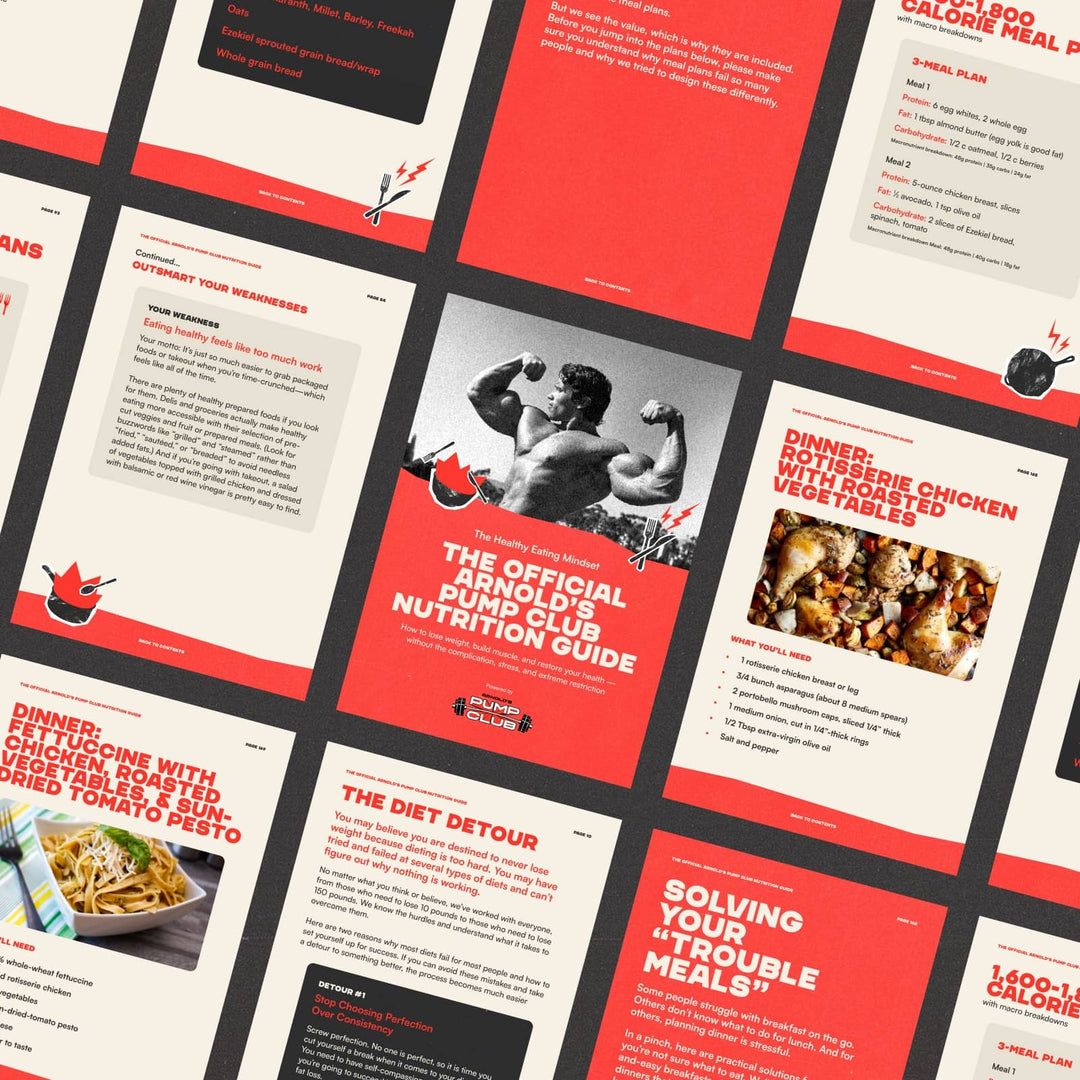
Before You Buy Another Supplement, Read This
Wrong products. Overhyped formulas. Deceptive ingredient labels. There’s no shortage of reasons why people spend more than ever on supplements and still don’t see the changes they desire.
We want to help change that, save you money, and support better health.
This new, free APC guide breaks down what actually matters, what supplements to skip, where you are likely deficient (and need supplementation), what products work best, and how to make sure you spend less and see better results.
Download the new APC supplement guide here.
Editor’s Note: We have rigorously tested many supplements and have our beliefs about what is best. But this guide was not written to recommend specific brands or products. In fact, no supplement brands are mentioned. Its focus is to help you understand why some ingredients and supplements don’t seem to work, how to find products you can trust, and build a routine that will help you thrive in real life.
Longevity
Why 6 Minutes of Hard Exercise Might Be the Best Brain Medicine
Most people worry about losing their memory someday. Very few realize that it starts quietly and earlier than you think.
By your 30s and 40s, your brain begins to shrink. It’s not a rapid process, but it’s not necessary, either. And the region that plays a key role in learning and memory (the hippocampus) takes a particularly hard hit.
By midlife, your hippocampus can shrink by 1 to 2 percent per year. That sounds small. Over decades, it adds up. But, here’s the hopeful part:
Just a few minutes of very hard exercise may be one of the most powerful ways to protect your brain.
Researchers compared different types of exercise and their effect on a brain-protective protein called BDNF (brain-derived neurotrophic factor). Scientists often call BDNF “Miracle-Gro for the brain” because it helps neurons grow, survive, and form new connections.
The surprise wasn’t that exercise helped; it was how much intensity mattered.
Six minutes of intense exercise increased BDNF levels four to five times more than 90 minutes of easy, low-intensity exercise.
Same movement. Radically different signal. And it’s worth noting: the scientists also tested if fasting further increased BDNF, and it did not.
The researchers believe intensity flips a biological switch. When you work hard, your muscles produce lactate. That lactate travels to your brain and triggers BDNF release. Easy exercise doesn’t generate enough of that signal to fully activate the effect.
In other words, your brain responds less to duration and more to challenge. Short, uncomfortable bursts appear to deliver the biggest cognitive return for the time you spend exercising.
If you want your exercise to result in brain improvements, aim for one or two sessions per week where you’re breathing hard enough that conversation isn’t possible. This should be about 80 percent of your max heart rate. If you need an easy way to measure your max heart rate, just subtract your age from 220.
Foods Are Super
Sauerkraut: The Original Gut Health Booster
For most people, gut health feels complicated. Probiotics, prebiotics, supplements, and lots of rules. But long before pills and protocols, people relied on simple foods that quietly did the job.
If you want to strengthen your gut, sauerkraut supports gut health through fiber and fermentation.
It’s easy to dismiss as a hot dog topping, but sauerkraut is one of the oldest functional foods on the planet, and new research suggests it earns its place in your regular rotation. As wild as it sounds, Captain James Cook once loaded 7,860 pounds of sauerkraut onto his ship in 1768 and returned three years later with zero scurvy deaths (although we can’t give all credit to the kraut).
In one study, participants ate 100 grams per day for four weeks, comparing pasteurized (shelf-stable) vs. unpasteurized sauerkraut. Both versions increased blood levels of short-chain fatty acids (SCFAs), key compounds produced by gut bacteria that support the intestinal lining, reduce inflammation, and help regulate metabolism. In a separate study, six weeks of daily sauerkraut significantly reduced IBS symptoms.
It’s all thanks to the magic of fermentation, which turns cabbage into something more powerful. It creates bioactive compounds, improves mineral absorption, and even produces vitamin K2, which is linked to better bone and heart health. This is less about “adding bacteria” and more about feeding your existing gut microbes better fuel so they can flourish.
Research suggests that eating 2-3 tablespoons of sauerkraut a few times per week can make a noticeable difference.
Better Today
Take any of these tips from today’s email and put them into action:
1. The 10-Minute Scan Cardiologists Use To Predict Heart Attacks Before They Happen
A Coronary Artery Calcium scan detects plaque buildup years before symptoms, and meta-analyses show a CAC score above zero is linked to 4-5x higher risk of heart attacks or strokes. If you're 30-60 with some risk factors, this $75-$400 scan may be the clearest window into what's actually happening inside your arteries.
2. Why Intensity Matters More Than Duration for Brain Health (And What 6 Minutes Of Exercise Can Do)
Researchers found that 6 minutes of intense exercise increased the levels of a brain-protective protein (BDNF), which helps neurons grow and form new connections. The effect was four to five times more than 90 minutes of low-intensity movement. The trigger is lactate: work hard enough that you can't hold a conversation (about 80% of your max heart rate), and your brain gets the signal to protect itself.
3. Eating Sauerkraut Can Improve Overall Gut Health
In one study, eating 100 grams of sauerkraut daily for four weeks increased short-chain fatty acids, the compounds that support your intestinal lining, reduce inflammation, and regulate metabolism. Both pasteurized and unpasteurized versions worked, and research suggests just 2-3 tablespoons a few times per week is enough to feed your gut microbes better fuel.
—
Publisher: Arnold Schwarzenegger
Editors-in-chief: Adam Bornstein and Daniel Ketchell